Anatomy
%
My Stats
Current Streak
/ 5
Tokens
Lifetime Tokens
Accuracy
%
User ID

Home
Quest
Answered
Saved

Hot Topics
Following
Followers

Post
Create
Promote

1
Comments
Money
Account
Please select a topic from the list.
Out of Tokens! Answer 5 in a row to earn more tokens
Medieval Architecture
Broadcasting
Materials and Construction
Urban Ecology
Environmental Issues
Global Development Goals
Exposure
Islamic Festivals
Hematology
Fossil Fuels
Medical Technology
Automotive Technology
Avant-Garde Movements
Musical Techniques
Hydrology
Electrostatics
Catholic Church
Early Football History
Ancient Near East Studies
Logistics and Supply Chain
Asteroids
Motorsport History
Particle Physics
Passports and Immigration
American Civil War
Classical Architecture
Galactic Structure
Legal Systems
Telecommunications
Ancient Roman Art
S
Steeeve
Steeeve is an IT guru
➕ Follow Author
📄 View Journals
>>
Followers:
4
Lifetime Tokens:
108
ANATOMY
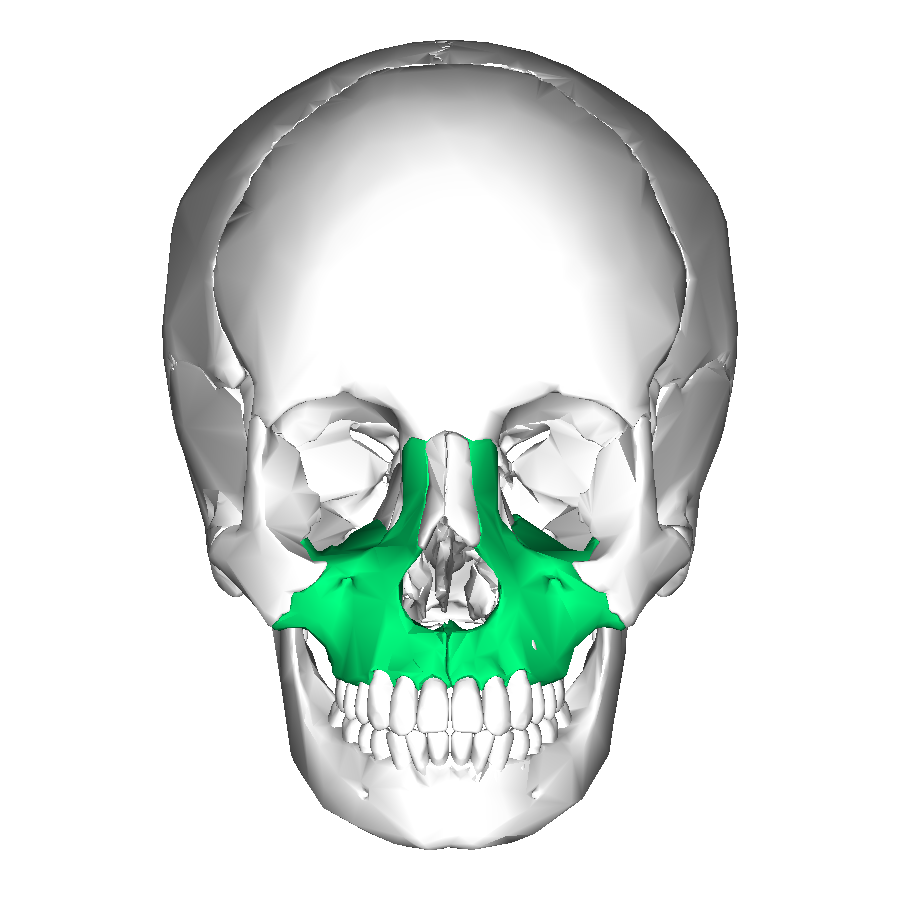
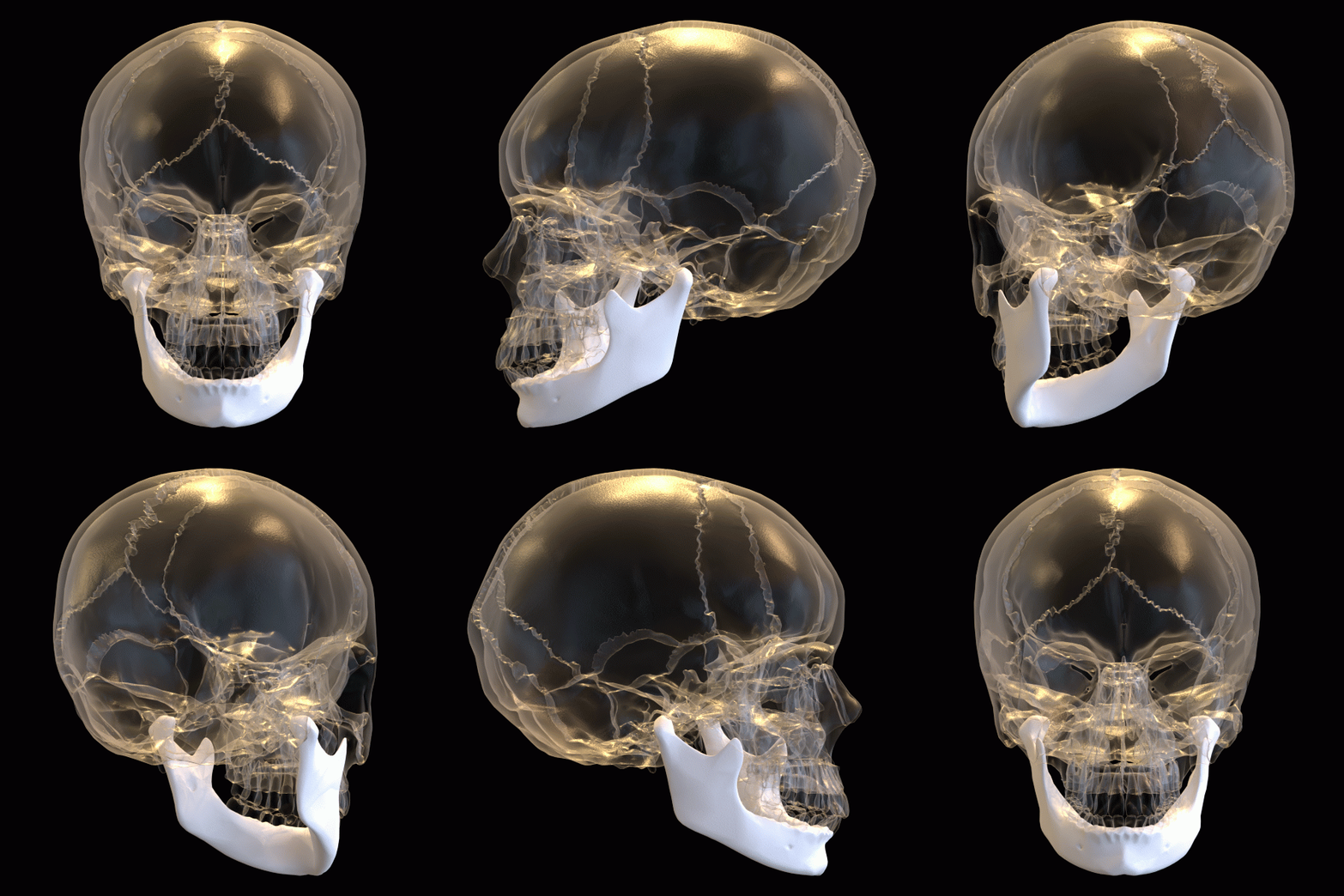
Craniofacial Anatomy
Intermaxillary Suture
The fusion at the intermaxillary suture shapes the nose and prevents cleft palate.
13 hours ago
0
What is the primary consequence of the fusion at the intermaxillary suture in humans?
Enabling movement of the upper jaw for chewing.
Formation of a stable upper jaw and anterior nasal spine supporting facial structure.
Separating the two halves of the mandible to allow flexibility.
F
FordMotor
Ford makes good cars for great people. This is the page for our new F1 team.
➕ Follow Author
📄 View Journals
>>
Followers:
7
Lifetime Tokens:
0
ANATOMY
Musculoskeletal System
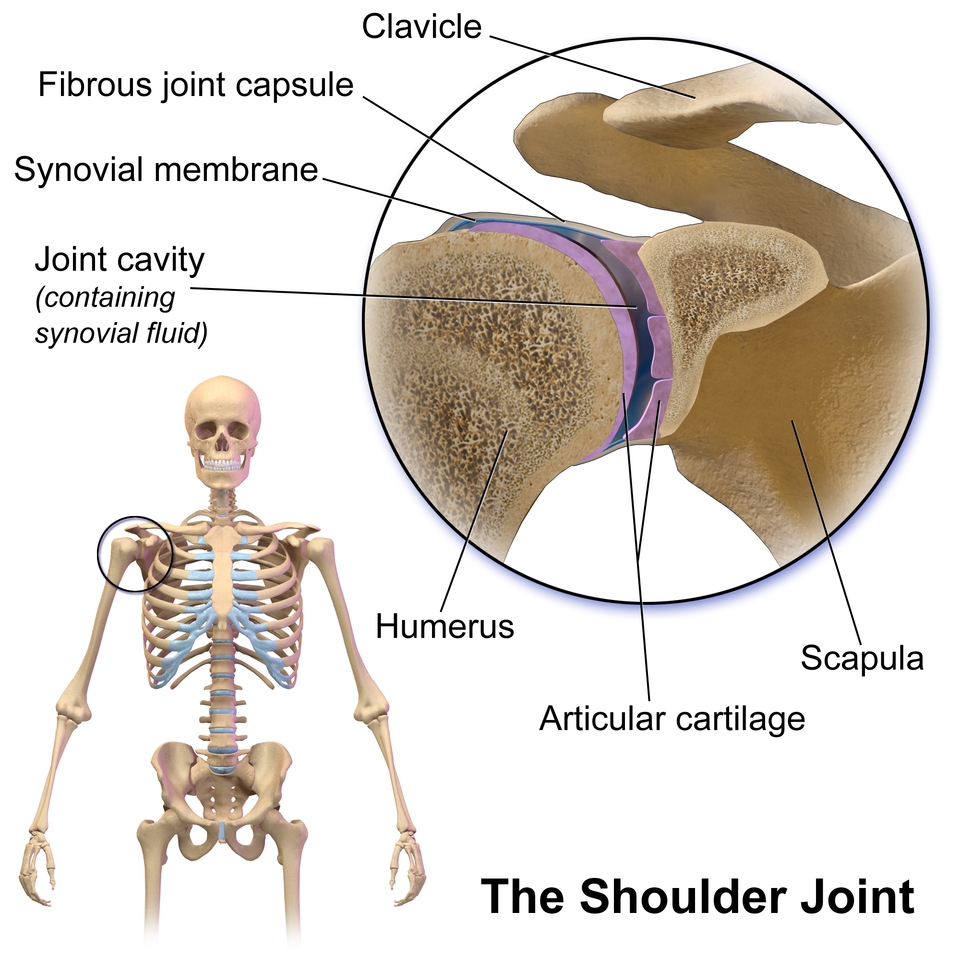
Shoulder Joint
The shoulder joint’s extreme mobility is a delicate balance between freedom and fragility
14 hours ago
0
What is the primary trade-off in the shoulder joint's design that affects its function?
It prioritizes stability over mobility to prevent injuries.
It sacrifices joint stability to achieve a wide range of motion.
It has a deep socket that tightly holds the humerus for maximum support.
S
Steve1
Author has not completed a profile
➕ Follow Author
📄 View Journals
>>
Followers:
1
Lifetime Tokens:
0
BIOLOGY
Anatomy
Rostral-Caudal Axis
Anatomical directions shift meaning dramatically across species, revealing evolution’s imprint
29 hours ago
0
Why is the rostral-caudal axis important in anatomical descriptions across different species?
Because it provides a consistent way to describe front-to-back orientation relative to the organism’s body plan.
Because it always means the same as anterior-posterior in all animals.
Because it only applies to human anatomy and not to other animals.
S
Simon
➕ Follow Author
📄 View Journals
>>
Followers:
0
Lifetime Tokens:
0
ANATOMY
Skeletal System
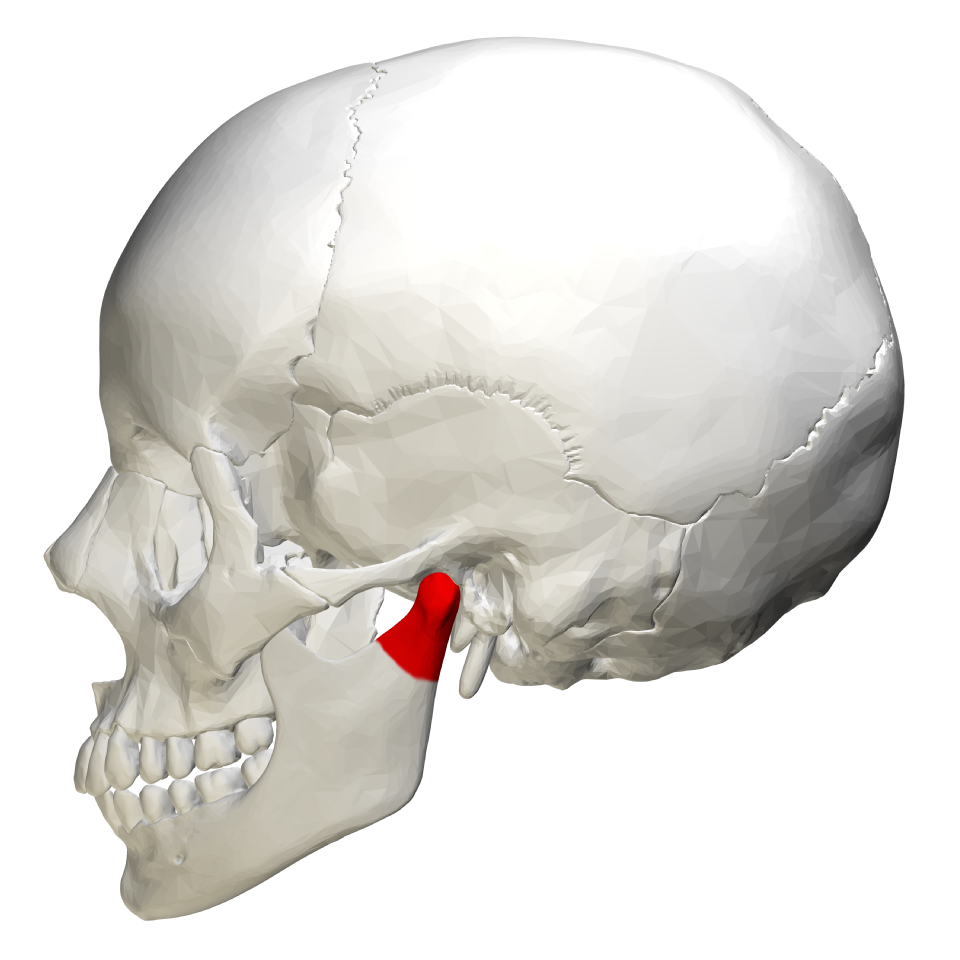
Mandibular Condyle
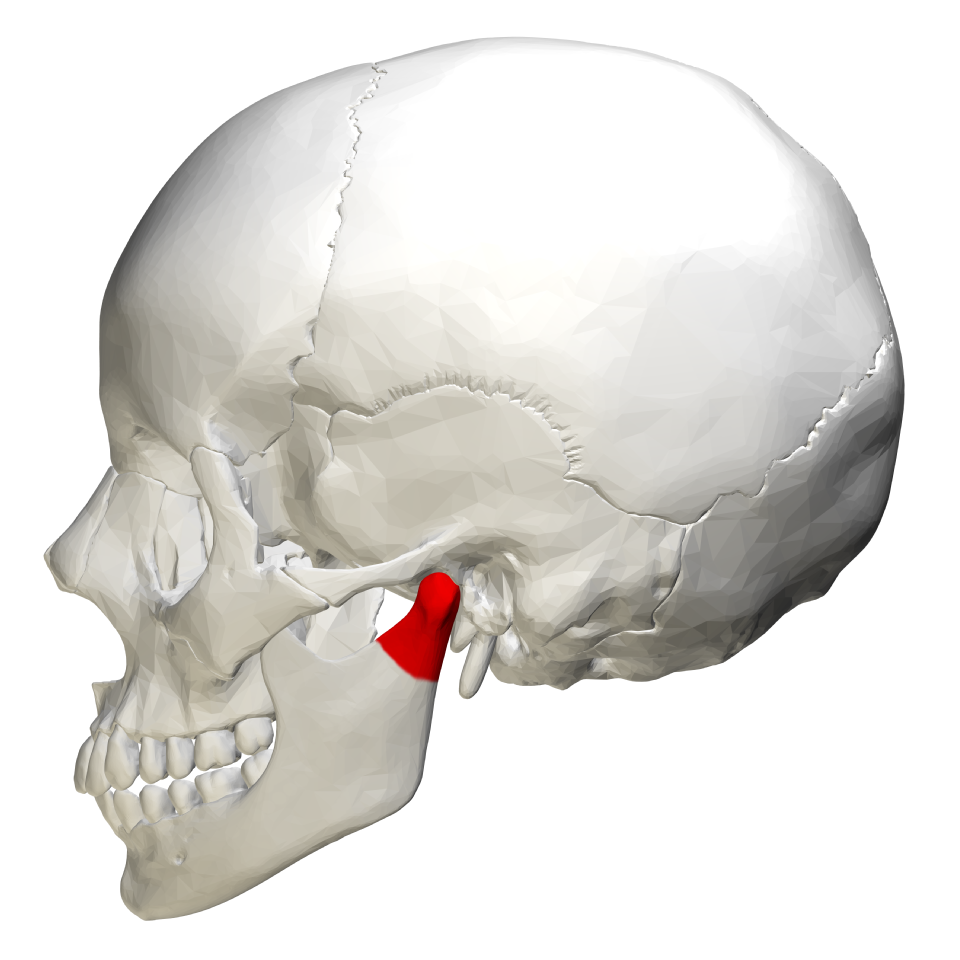
The mandibular condyle’s unique shape enables jaw movements essential for speech and eating
48 hours ago
0
What structural feature of the mandibular condyle allows it to support both hinge and sliding movements in the jaw?
Its connection to the coronoid process which controls jaw movement
Its thin and fragile structure that allows for easy movement
Its composition of a rounded condyle and a supporting neck that balances strength and flexibility
B
Brewster
Brewster
➕ Follow Author
📄 View Journals
>>
Followers:
7
Lifetime Tokens:
7
ANATOMY
Muscular System
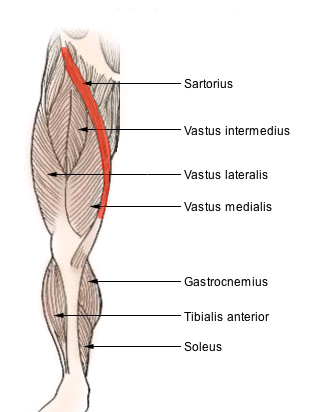
Anterior Hip Muscles
The longest muscle in the body plays a key role in complex hip movements and balance
2 days ago
0
Which anterior hip muscle is unique for crossing both the hip and knee joints, enabling it to flex the hip and extend the knee?
Iliopsoas
Sartorius
Rectus femoris
B
Bonbo
Me as you
➕ Follow Author
📄 View Journals
>>
Followers:
6
Lifetime Tokens:
0
BIOLOGY
Anatomy
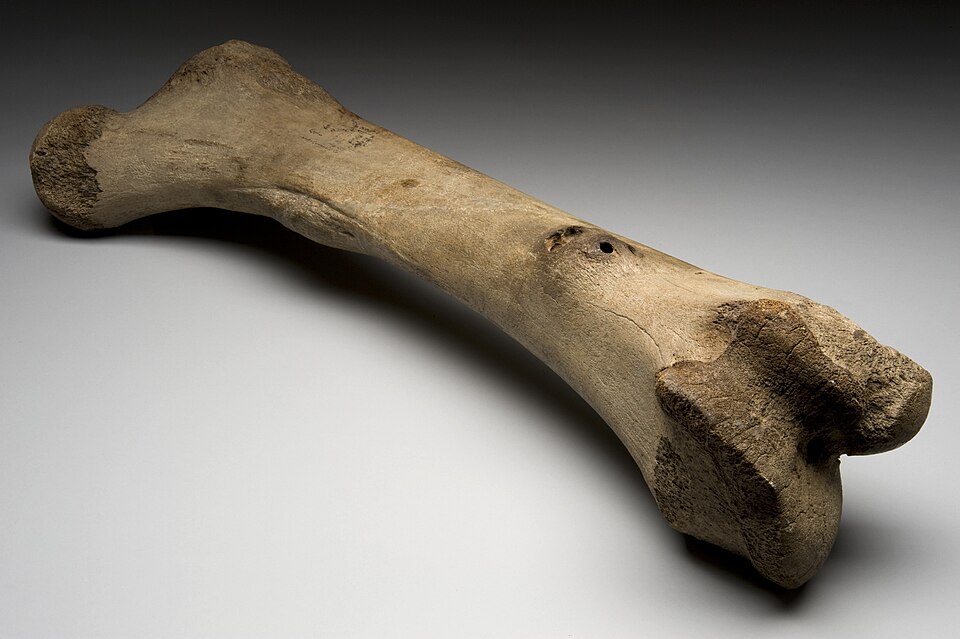
Bone Tissue
Bone tissue's constant remodeling reveals a hidden, dynamic organ beneath the surface
2 days ago
0
What is the primary reason bone tissue continuously remodels itself throughout life?
To adapt to mechanical stress and repair damage
To increase bone size indefinitely
To store excess fat for energy
F
FordMotor
Ford makes good cars for great people. This is the page for our new F1 team.
➕ Follow Author
📄 View Journals
>>
Followers:
7
Lifetime Tokens:
0
ANATOMY
Musculoskeletal System
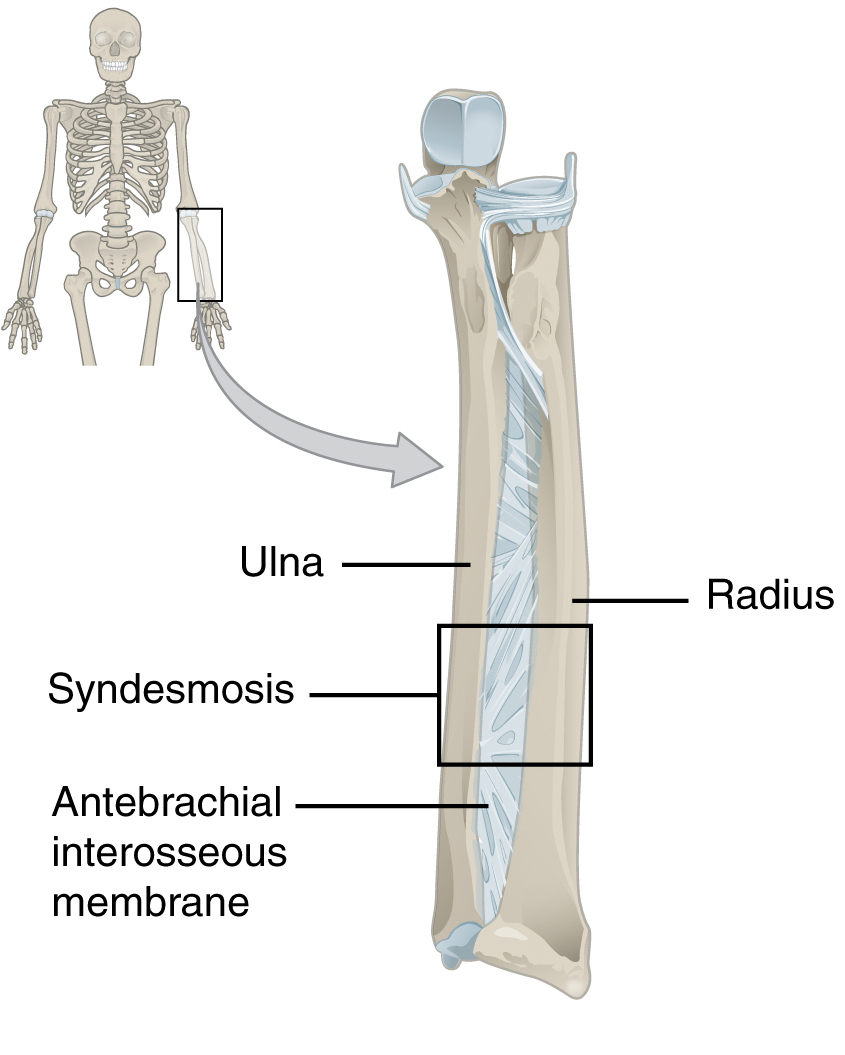
Forearm Movements
The forearm's fibrous syndesmosis balances bone stability with the freedom to twist and turn.
2 days ago
0
How does the syndesmosis contribute to forearm rotation?
It fuses the radius and ulna completely, preventing any movement between them.
It stabilizes the radius and ulna while allowing the radius to rotate around the ulna.
It acts as a muscle that actively pulls the forearm into rotation.
B
Bb115
Books and cars
➕ Follow Author
📄 View Journals
>>
Followers:
7
Lifetime Tokens:
0
ANATOMY
Thoracic Anatomy
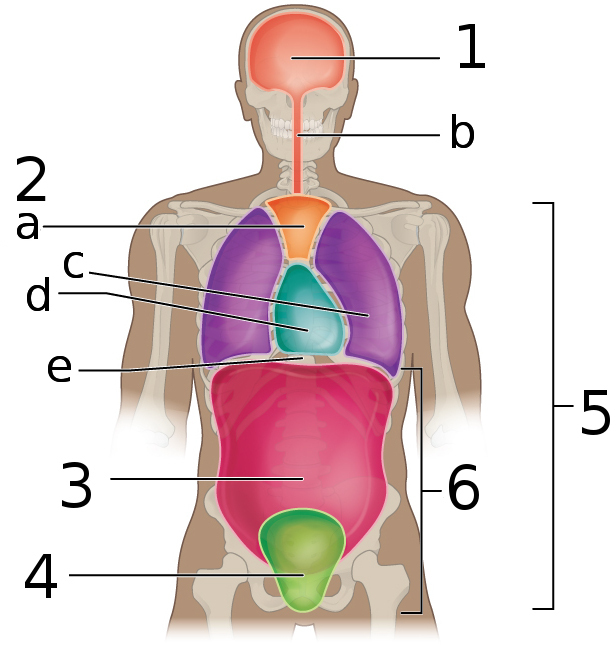
Mediastinum
0
The mediastinum’s compact layout means a single injury can disrupt multiple vital systems at once
3 days ago
The mediastinum is not just a simple space; it is the bustling hub of the thoracic cavity where life-sustaining organs and critical pathways converge in a delicate balance. Encased in loose connective tissue, this central...
J
Johnbarrow
John from Bartow
➕ Follow Author
📄 View Journals
>>
Followers:
5
Lifetime Tokens:
0
ANATOMY
Skeletal System
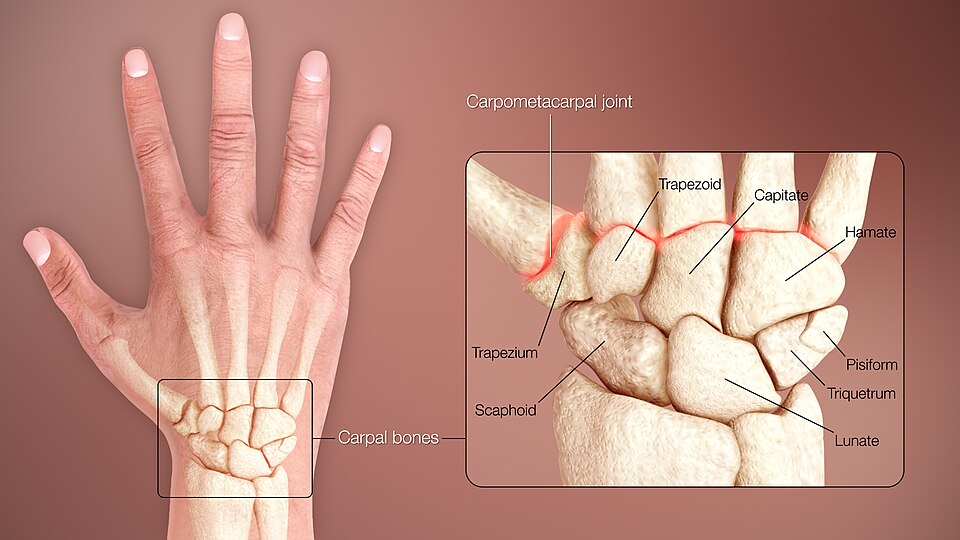
Proximal Row of Carpal Bones
Tiny wrist bones orchestrate complex hand movements and nerve protection
3 days ago
0
How does the proximal row of carpal bones contribute to both wrist mobility and nerve protection?
By directly connecting to the hand bones to control finger movement.
By forming a flexible joint with the forearm bones and creating part of the carpal tunnel structure.
By being rigid and immobile to prevent any wrist movement.
B
Bonbo
Me as you
➕ Follow Author
📄 View Journals
>>
Followers:
6
Lifetime Tokens:
0
ANATOMY
Skeletal System
Mandibular Ramus
The mandibular ramus is a powerhouse bone anchoring muscles that shape your smile and bite
3 days ago
0
Why is the mandibular ramus critical for jaw function beyond just structural support?
Because it is the only part of the jaw that moves during chewing.
Because it serves as an attachment site for muscles that control jaw movement and contains important nerve pathways.
Because it is a fragile bone that does not support any muscle attachments.
N
Nellieger
I am studying psychology
➕ Follow Author
📄 View Journals
>>
Followers:
5
Lifetime Tokens:
0
ANATOMY
Muscular System
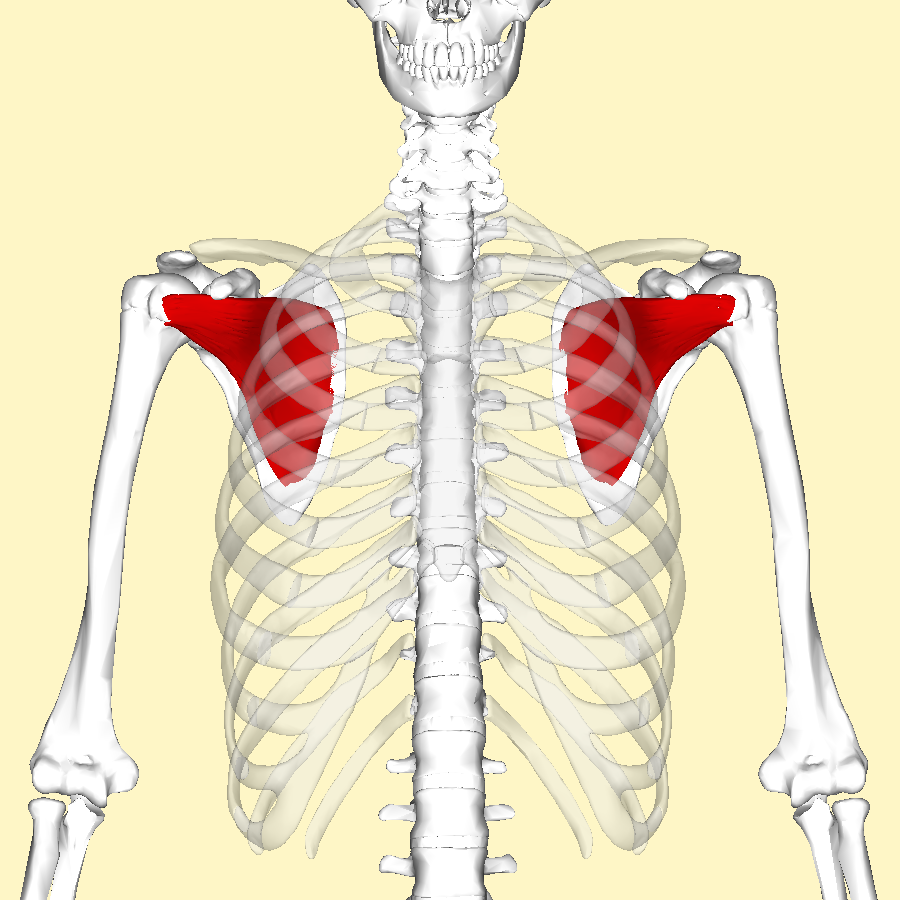
Subscapularis Muscle
Hidden powerhouse of shoulder stability and internal rotation
3 days ago
0
What is the primary functional role of the subscapularis muscle in the shoulder joint?
It externally rotates the humerus and stabilizes the shoulder joint.
It primarily abducts the arm and has no role in joint stabilization.
It internally rotates the humerus and stabilizes the shoulder joint.
1
199
Author has not completed a profile
➕ Follow Author
📄 View Journals
>>
Followers:
0
Lifetime Tokens:
0
ANATOMY
Human Body Planes
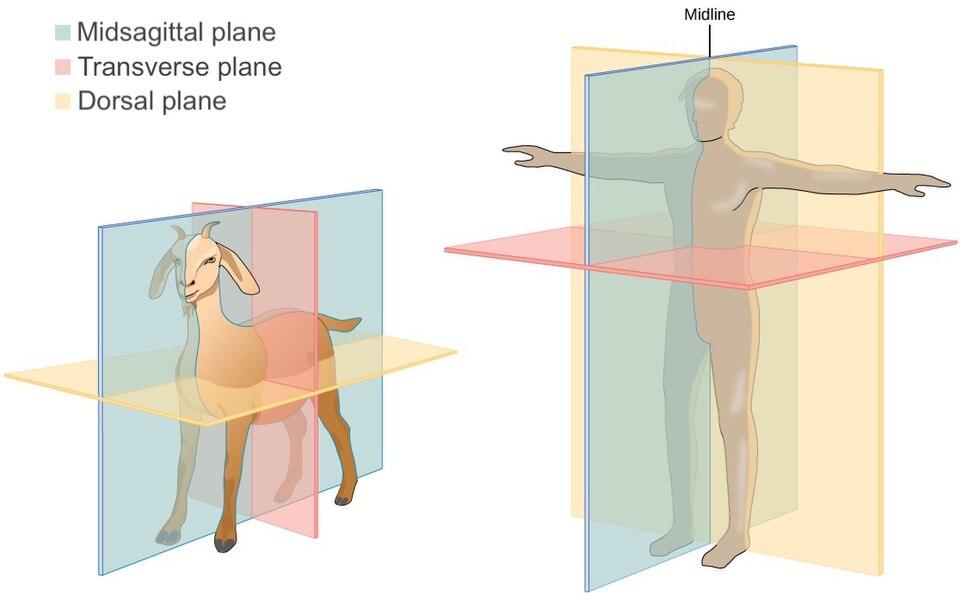
Transverse Plane
Horizontal slices reveal hidden layers of the body in medical imaging
4 days ago
0
Why is the transverse plane essential in medical imaging and movement analysis?
Because it divides the body into upper and lower parts, allowing cross-sectional views and enabling analysis of rotational movements.
Because it divides the body into left and right halves, helping analyze side-to-side movements.
Because it is the only plane that allows flexion and extension movements.
B
Brewster
Brewster
➕ Follow Author
📄 View Journals
>>
Followers:
7
Lifetime Tokens:
7
ANATOMY
Skeletal System
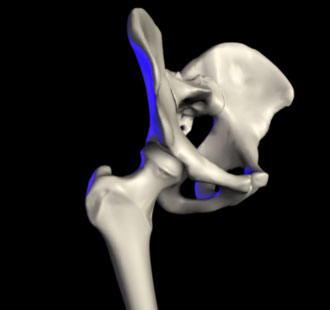
Hip Joint
The hip joint’s design balances the opposing demands of strength and flexibility in human movement
4 days ago
0
What is the primary trade-off in the hip joint’s design that affects its function?
Maximizing flexibility at the expense of joint stability
Prioritizing joint stability without allowing any rotational movement
Balancing stability to support body weight with flexibility for a wide range of motion
B
Bb115
Books and cars
➕ Follow Author
📄 View Journals
>>
Followers:
7
Lifetime Tokens:
0
ANATOMY
Musculoskeletal System
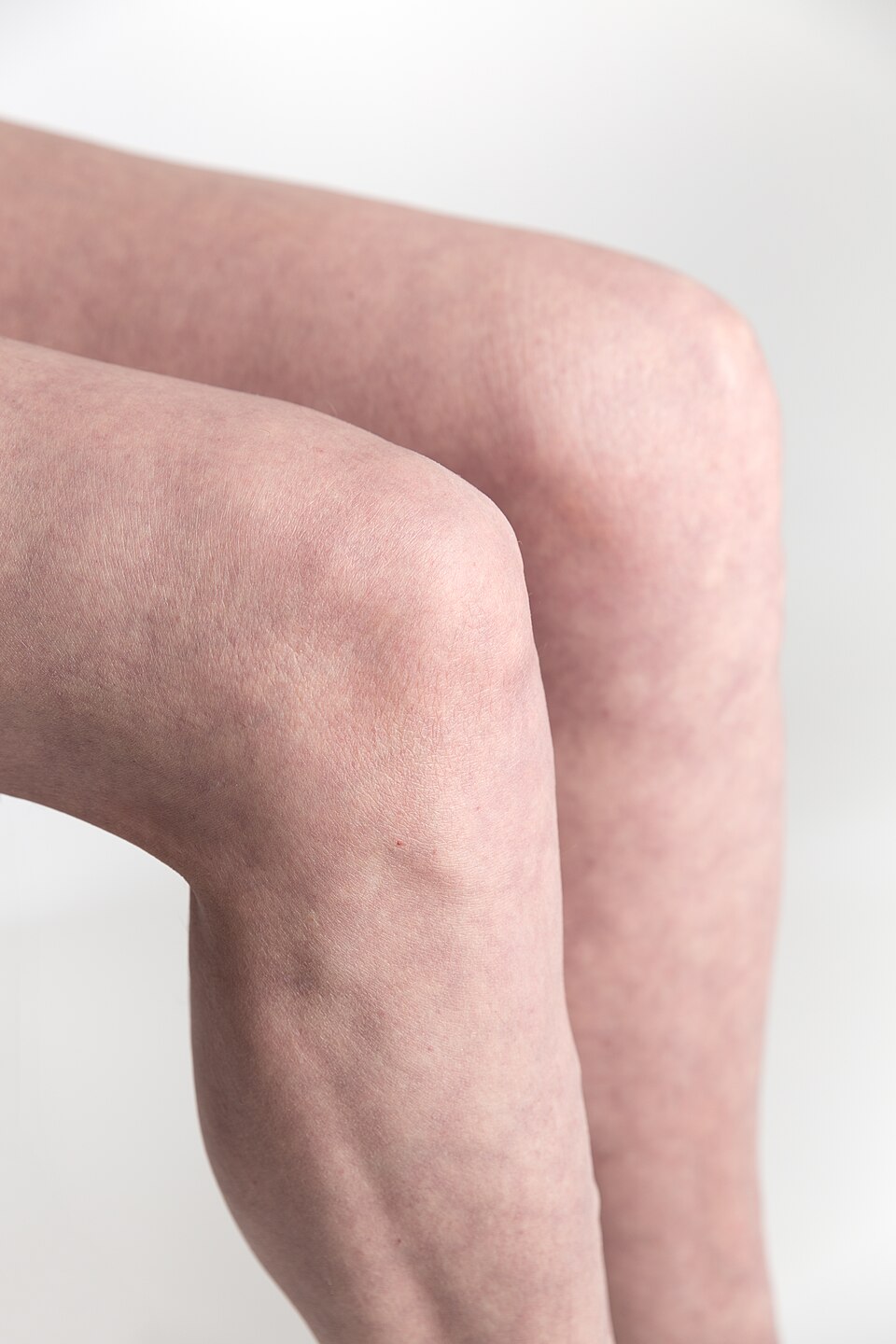
Knee Joint Ligaments
The knee's hidden ligament network is key to its surprising range of motion and vulnerability.
4 days ago
0
Which of the following best explains the role of the knee's ligaments in joint stability?
They primarily serve to connect muscles to bones for movement.
They control excessive forward, backward, and sideways movements to maintain joint integrity.
They only prevent the knee from bending backward, with no role in sideways stability.
N
Nellieger
I am studying psychology
➕ Follow Author
📄 View Journals
>>
Followers:
5
Lifetime Tokens:
0
BIOLOGY
Anatomy
Structural Organization of Organisms
The ancient roots of anatomy reveal how early humans first mapped the mysteries within their own bodies
4 days ago
0
Why is the study of anatomy crucial for medical science beyond just knowing body parts?
Because it focuses only on the external appearance of organisms without considering internal functions.
Because anatomy is only concerned with dead specimens and has no application in living organisms.
Because it links the structure of body parts to their functions, enabling effective diagnosis and treatment.
S
Simon
➕ Follow Author
📄 View Journals
>>
Followers:
0
Lifetime Tokens:
0
ANATOMY
Skeletal System
Condylar Process
0
Jaw's hidden hinge reveals secrets of speech and bite power
6 days ago
The moment the condylar process was understood as the pivotal hinge of the jaw changed how we view facial mechanics forever. This bony projection on the mandible, ending in the mandibular condyle, is not just...
B
Brewster
Brewster
➕ Follow Author
📄 View Journals
>>
Followers:
7
Lifetime Tokens:
7
ANATOMY
Human Skeletal System
Pelvis
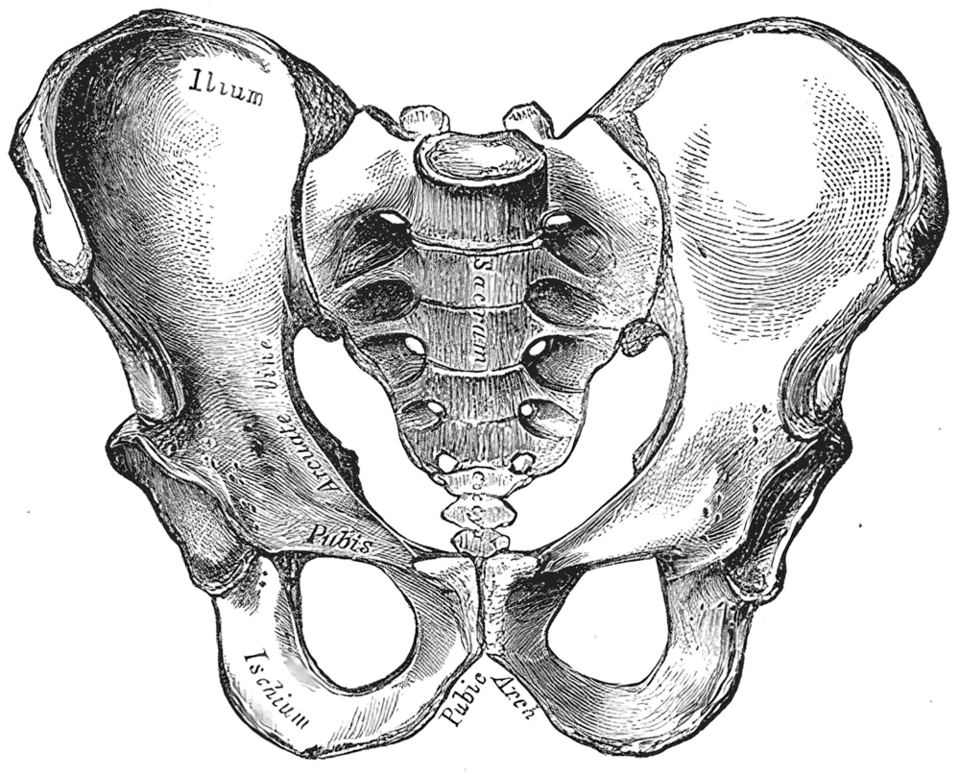
The pelvis balances the demands of walking upright and giving birth in a delicate evolutionary compromise
6 days ago
0
What is the primary evolutionary trade-off reflected in the shape of the human pelvis?
Balancing the need for efficient bipedal locomotion with the requirements of childbirth
Maximizing upper body strength at the expense of lower limb mobility
Designing the pelvis solely for protecting abdominal organs without regard to movement
B
Bonbo
Me as you
➕ Follow Author
📄 View Journals
>>
Followers:
6
Lifetime Tokens:
0
BIOLOGY
Anatomy
Trabeculae
Tiny structural beams inside organs balance strength and flexibility under constant stress
6 days ago
0
What is the primary mechanical trade-off that trabeculae manage within organs like the heart and bones?
Balancing structural strength with flexibility to accommodate movement and stress
Maximizing weight to increase organ density
Eliminating all movement to provide rigid support
×
Comments
Loading....
Share comment
5
Streak Win!
Game Over