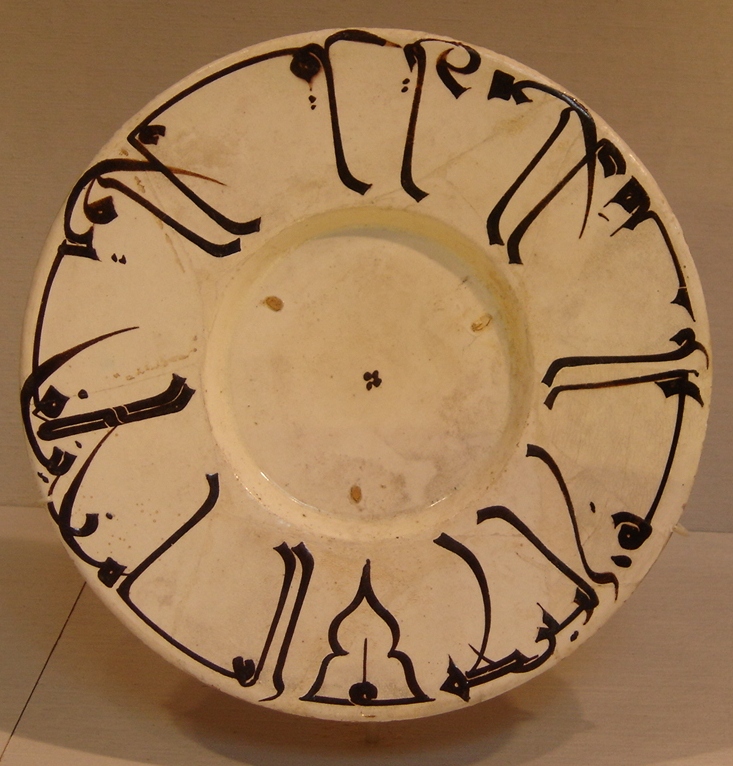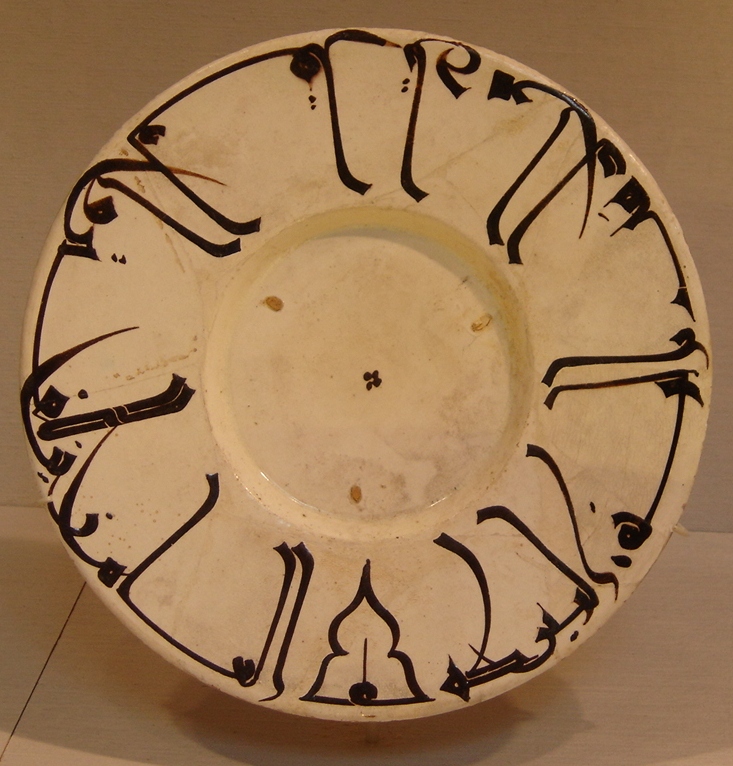
Earthenware
%
My Stats
Current Streak
/ 5
Tokens
Lifetime Tokens
Accuracy
%
User ID

Home
Quest
Answered
Saved

Hot Topics
Following
Followers

Post
Create
Promote

1
Comments
Money
Account
Please select a topic from the list.
Out of Tokens! Answer 5 in a row to earn more tokens
Electromagnetic Radiation
Physical Chemistry
Computer Science
Medieval Islamic History
Academic Research
Maritime History
Color Theory
Plant Physiology
Earth Science
Software Engineering
Semiconductor Manufacturing
Volcanology
Display Technology
Internet Technology
Airborne Forces
Mineralogy
Criminal Justice
Operating Systems
Bone Diseases
Ecology
Public Finance
Rituals and Traditions
Market Regulation
Neuroscience
Music Production
Manufacturing Processes
Medieval History
Computer Hardware
Marriage Practices
Ecology
1
123_Steve
➕ Follow Author
📄 View Journals
>>
Followers:
0
Lifetime Tokens:
0
ART AND CULTURE
Ceramics and Pottery
Earthenware
How a simple clay firing below 1,200°C shaped centuries of pottery traditions
11 days ago
0
What was the key trade-off in using earthenware compared to porcelain or stoneware?
Earthenware is more porous and less vitrified but easier to produce due to lower firing temperatures.
Earthenware is fired at higher temperatures than porcelain, making it stronger but less decorative.
Earthenware does not absorb water and is naturally waterproof without glazing.
S
Steeeve
Steeeve is an IT guru
➕ Follow Author
📄 View Journals
>>
Followers:
4
Lifetime Tokens:
108
ART AND CULTURE
Ceramics and Pottery
Earthenware
Earthenware pottery absorbs water unless coated with a ceramic glaze for impermeability
28 Jan 2026
0
What is the primary reason earthenware pottery is porous and can absorb liquids?
It is made from a special type of clay that naturally absorbs water.
It is fired at temperatures below 1,200 °C, which prevents vitrification.
It is always unglazed, which causes it to absorb liquids.
×
Comments
Loading....
Share comment
5
Streak Win!
Game Over