Musica Universalis (Music...
%
My Stats
Current Streak
/ 5
Tokens
Lifetime Tokens
Accuracy
%
User ID

Home
Quest
Answered
Saved

Hot Topics
Following
Followers

Post
Create
Promote

1
Comments
Money
Account

Please select a topic from the list.
Out of Tokens! Answer 5 in a row to earn more tokens
Victorian Architecture
Modern Religious Architecture
Aerospace Engineering
Exoplanets
Development Economics
Public Finance
Special Forces and Units
September 11 Attacks
Space Telescopes
Athletic Training
European History
Organic Chemistry
Muscle Physiology
Football (Soccer)
Optical Measurement Techniques
Oceanography
Banking and Finance
Muscular System
Renaissance Art and Architecture
Biochemistry
American Political History
Nuclear Physics
Crop Farming
International Relations
Nuclear Non-Proliferation
Atomic Structure
Cardiology
Skyscraper Design
Academic Publishing
Cruise Tourism
B
Bb115
Books and cars
➕ Follow Author
📄 View Journals
>>
Followers:
7
Lifetime Tokens:
0
PHILOSOPHY
Ancient Philosophy
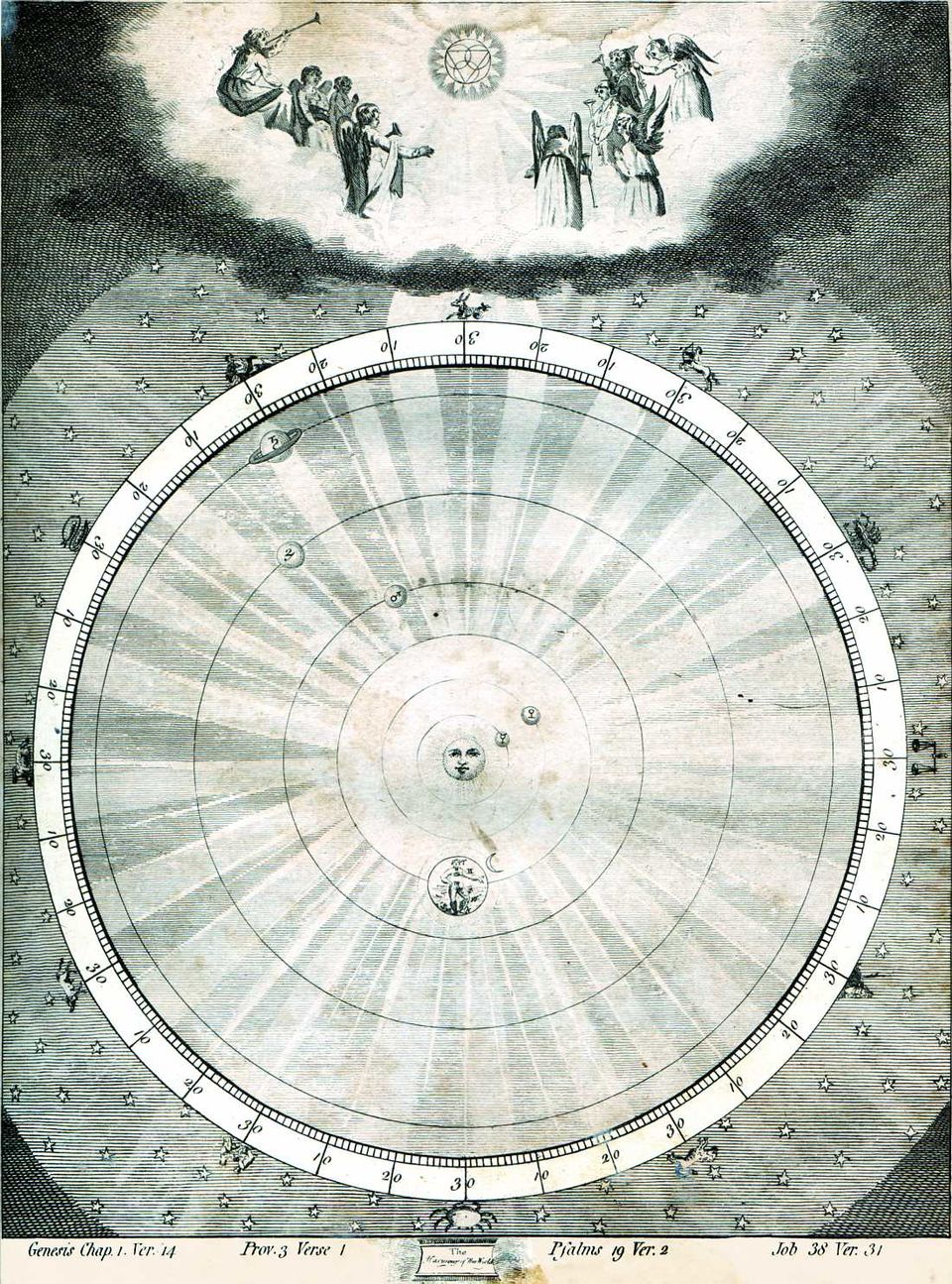
Musica Universalis (Music of the Spheres)
Ancient Greeks imagined the cosmos as a harmonious symphony of celestial music beyond human hearing
18 Jan 2026
0
How did Johannes Kepler's interpretation of the Music of the Spheres differ from earlier Pythagorean views?
Kepler thought the music was physically audible to humans, unlike the Pythagoreans who saw it as purely mathematical.
Kepler believed the celestial music was inaudible but could be heard by the soul, whereas Pythagoreans emphasized numerical harmony without this spiritual aspect.
Kepler rejected the concept entirely, considering it a myth with no scientific basis.
×
Comments
Loading....
Share comment
5
Streak Win!
Game Over