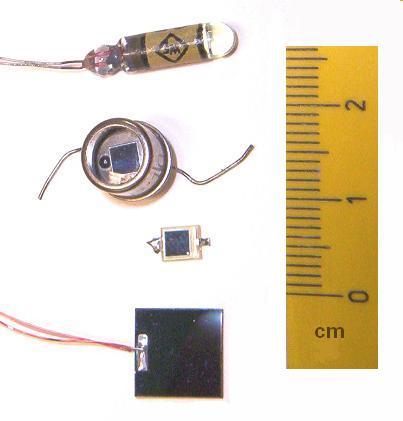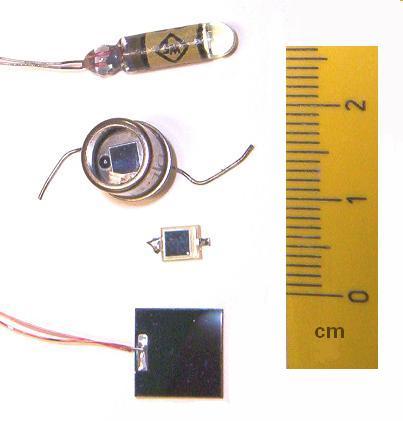
Optoelectronics
%
My Stats
Current Streak
/ 5
Tokens
Lifetime Tokens
Accuracy
%
User ID

Home
Quest
Answered
Saved

Hot Topics
Following
Followers

Post
Create
Promote

1
Comments
Money
Account

Please select a topic from the list.
Out of Tokens! Answer 5 in a row to earn more tokens
Urban Ecology
Environmental Issues
Global Development Goals

Exposure
Islamic Festivals
Hematology
Fossil Fuels
Medical Technology
Automotive Technology
Avant-Garde Movements
Musical Techniques
Hydrology
Electrostatics
Catholic Church
Early Football History
Ancient Near East Studies
Logistics and Supply Chain
Asteroids
Motorsport History
Particle Physics
Passports and Immigration
American Civil War
Classical Architecture
Galactic Structure
Legal Systems
Telecommunications
Ancient Roman Art
Japanese Prefectures
Conservation Biology
Telecommunications
P
PistonHeads
Cars, cars and cars
➕ Follow Author
📄 View Journals
>>
Followers:
1
Lifetime Tokens:
0
PHYSICS
Optoelectronics
Optronics
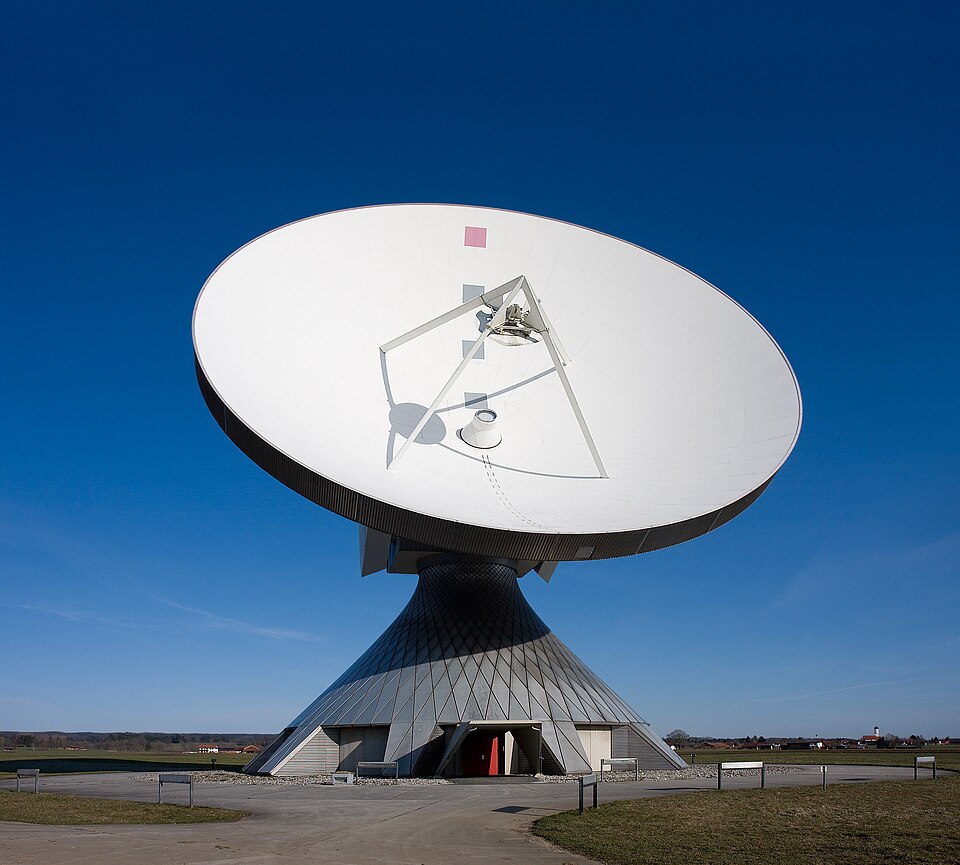
Invisible light powers the backbone of global communication networks
31 hours ago
0
What is a primary challenge in developing optronic devices for modern applications?
Eliminating all electrical components to rely solely on optics
Using only visible light for all optoelectronic applications
Balancing miniaturization with efficient heat management
P
PeterPan
Interested in JM Barrie and other children’s writers
➕ Follow Author
📄 View Journals
>>
Followers:
3
Lifetime Tokens:
0
PHYSICS
Optoelectronics
Photomultiplier Tube
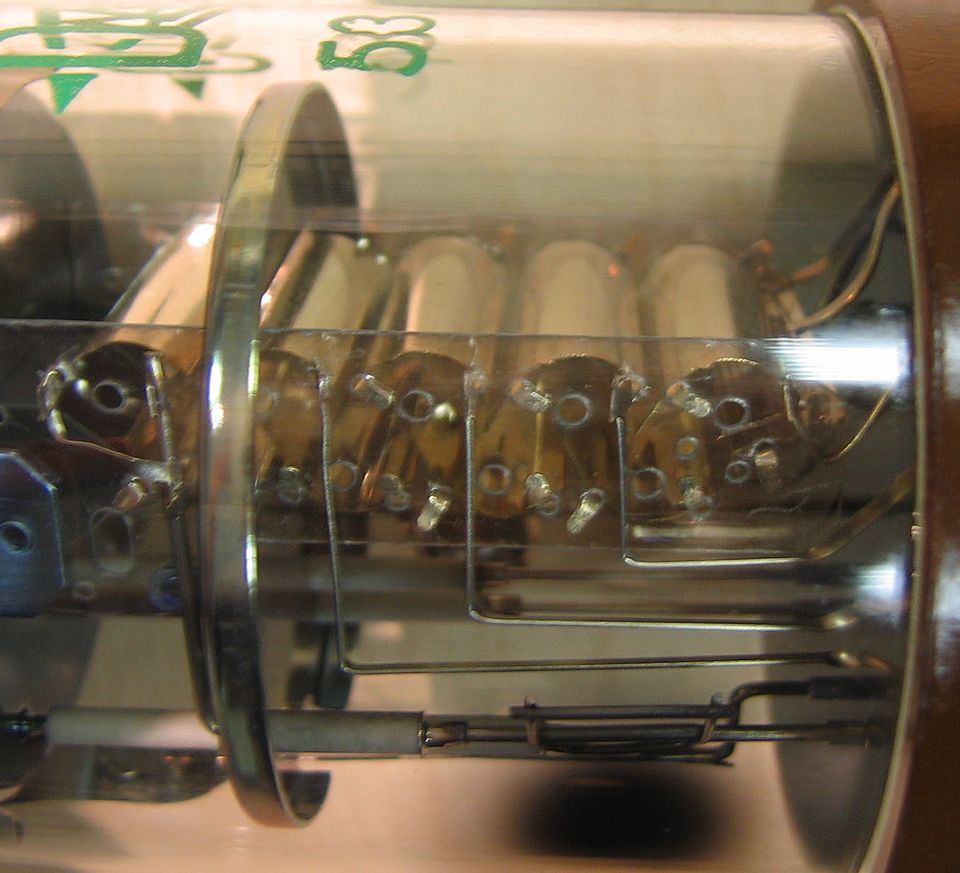
Light's faintest whispers become thunderous signals inside photomultiplier tubes
7 days ago
0
What is the primary mechanism that allows photomultiplier tubes to detect extremely low levels of light?
Electron multiplication through multiple dynode stages amplifies the initial photoelectron signal.
The tube directly converts photons into a large electrical current without amplification.
Photomultiplier tubes detect light by storing photons in a vacuum chamber for later measurement.
N
Nellieger
I am studying psychology
➕ Follow Author
📄 View Journals
>>
Followers:
5
Lifetime Tokens:
0
PHYSICS
Optoelectronics
Light Sensor (Photodetector)
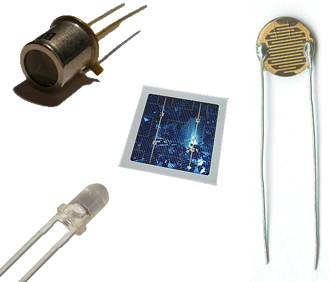
Devices that turn invisible light into electric signals power modern technology's eyes and ears
8 days ago
0
What is the primary challenge photodetectors face when converting light into electrical signals?
Generating light from electrical signals efficiently
Using thermal effects exclusively to detect all types of light
Balancing sensitivity, speed, and spectral response for specific applications
S
SteveO1
Technology and cars
➕ Follow Author
📄 View Journals
>>
Followers:
8
Lifetime Tokens:
6
PHYSICS
Optoelectronics
Photodiode
Photodiodes silently power communication and energy by turning light into electricity
10 Feb 2026
0
What is a key trade-off in photodiode design that affects its performance?
Increasing sensitivity can reduce the speed of response
Photodiodes can only detect visible light
Photodiodes generate electrical current without photon interaction
S
Stevex
Love life
➕ Follow Author
📄 View Journals
>>
Followers:
3
Lifetime Tokens:
0
PHYSICS
Optoelectronics
Monochromatic LED Laser
The blurred line between LEDs and lasers sparks innovation in light-based therapies
8 Feb 2026
0
What is a key difference between LEDs and lasers that affects their use in monochromatic light applications?
LEDs produce coherent light but at lower power than lasers.
LEDs emit incoherent light through spontaneous emission, while lasers emit coherent light via stimulated emission.
Lasers emit incoherent light, whereas LEDs emit perfectly monochromatic light.
P
PistonHeads
Cars, cars and cars
➕ Follow Author
📄 View Journals
>>
Followers:
1
Lifetime Tokens:
0
PHYSICS
Optoelectronics
Tunable Infrared Light Source
Tunable infrared light sources unlock invisible molecular signatures for advanced sensing
5 Feb 2026
0
What is the primary mechanism that allows a tunable infrared light source to emit different wavelengths of light?
Adjusting the semiconductor band gap or device structure to change photon energy
Changing the intensity of the electrical current without altering the semiconductor properties
Using a fixed semiconductor band gap and relying solely on external filters to change wavelength
P
Piston1
Friend or foe
➕ Follow Author
📄 View Journals
>>
Followers:
4
Lifetime Tokens:
0
PHYSICS
Optoelectronics
Layered Photodiodes
Layered photodiodes enhance light detection by stacking semiconductor materials for precise photon sensing
25 Jan 2026
0
How do layered photodiodes improve the detection of specific wavelengths compared to single-layer photodiodes?
By increasing the thickness of a single semiconductor layer to absorb more photons of all wavelengths equally.
By stacking different semiconductor materials, each layer can be optimized to absorb different wavelengths, enhancing overall spectral sensitivity.
By using a single semiconductor material with a uniform bandgap that detects all wavelengths without discrimination.
×
Comments
Loading....
Share comment
5
Streak Win!
Game Over