PHILOSOPHY OF SCIENCE
%
My Stats
Current Streak / 5
Tokens
Lifetime Tokens
Accuracy %
User ID

home
Home
Quest
Answered
Saved
your channels
Hot Topics
Following
Followers
Feed
Post
Create
Promote
Special Operations
Special Operations
Electricity and Magnetism
Industrial Production
Waste Management
Waste Management
Medical Imaging
Medical Imaging
Ecology
Ecology
Performing Arts Venues
Traffic Control
Traffic Control
Computer Architecture
Deserts
Deserts
Historical Regions
Historical Regions
Animal Husbandry
Animal Husbandry
Genetics
Genetics
Demography
Demography
Democratic Processes
Optimization
Optimization
Naval Warfare
Naval Warfare
Enlightenment Philosophy
Aircraft Operations
Aircraft Operations
Ecology
Ecology
Data Compression
Data Compression
Vehicle Armour
Vehicle Armour
Telecommunications
Telecommunications
Marine Geology
Marine Geology
Music Theory
Music Theory
Astrophysics
Astrophysics
Computer Hardware
Computer Hardware
Zoology
Zoology
Buddhist History
Buddhist History
Municipal Police
Municipal Police
avatar
Underground
Underground music and art
Followers: 2
Lifetime Tokens: 0
Post image
Why is skepticism a crucial component of the scientific method?

How did the mechanistic worldview influence scientific inquiry during the Enlightenment?

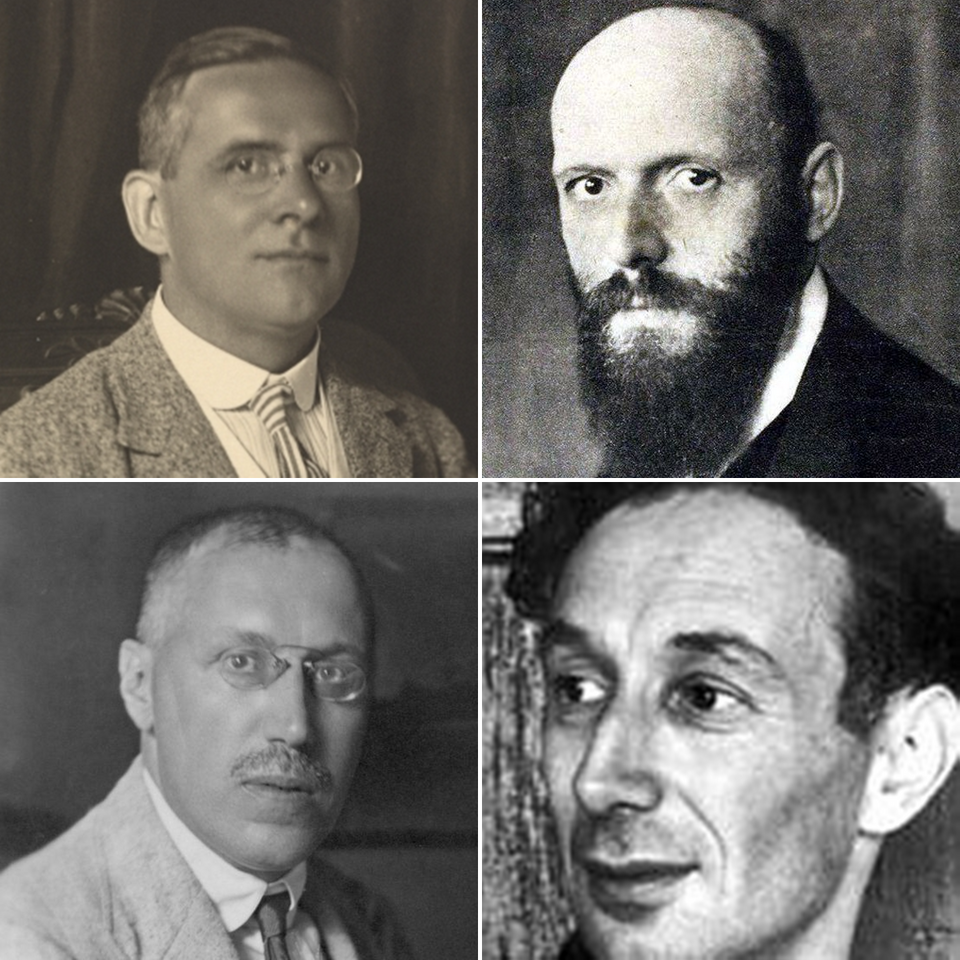
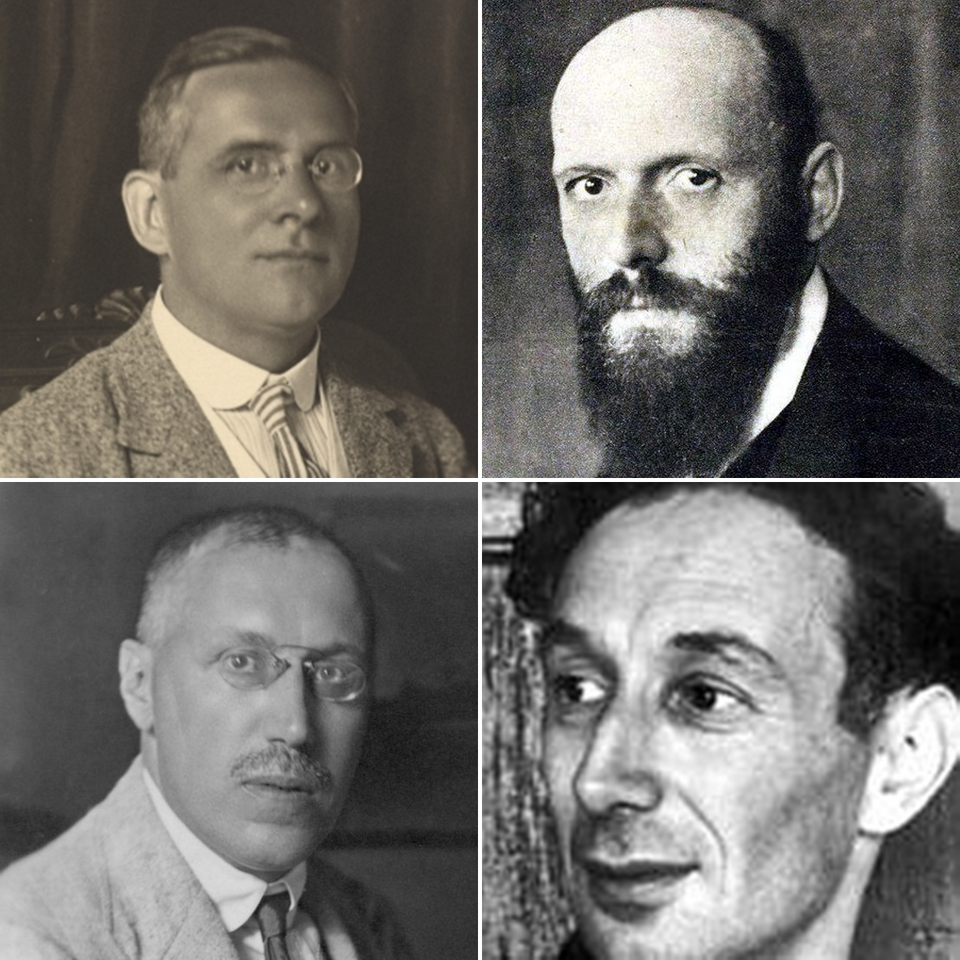
What was the primary philosophical goal of the Vienna Circle in their approach to science and knowledge?

What distinguishes a scientific theory from a hypothesis in scientific practice?

How does Edgar Morin's concept of 'complex thought' differ from traditional reductionist approaches in understanding phenomena?


According to Popper's philosophy in Conjectures and Refutations, what is the primary method by which scientific knowledge advances?

Which aspect is NOT typically a central concern of the philosophy of science?


What is the primary criterion that Karl Popper's critical rationalism uses to demarcate scientific theories from non-scientific ones?

What is the main reason Karl Popper rejected the classical inductivist view of the scientific method?


Why is the demarcation problem significant for public policy decisions?

Why is empirical verification essential in scientific research?

How does philosophy of science differentiate between science and non-science?

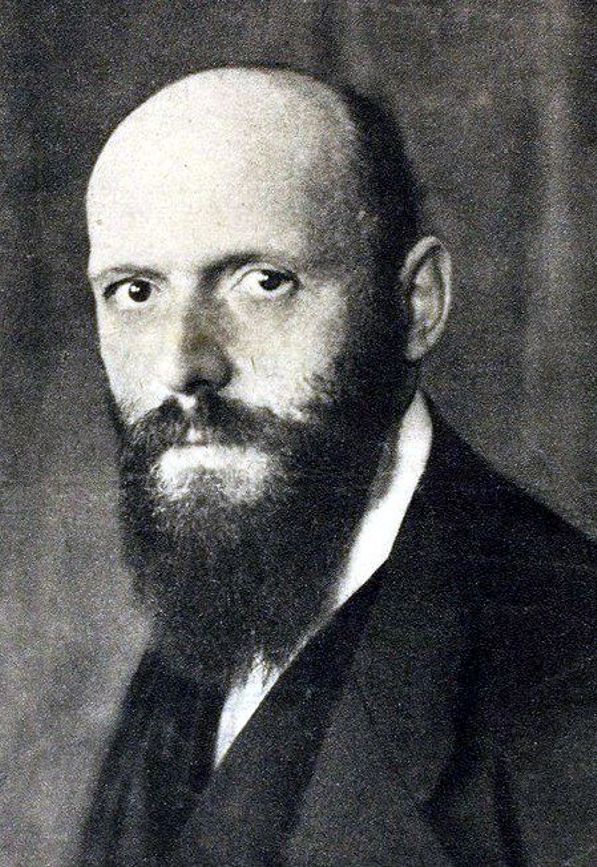
What was the primary purpose of Otto Neurath's ISOTYPE method in the context of visual communication?

Which criterion is commonly proposed to distinguish scientific theories from non-scientific ones in the demarcation problem?


Why did Karl Popper emphasize falsifiability as a solution to the problem of demarcation in science?

Why is empirical falsification considered a stronger criterion for scientific theories than verification?

Comments
Loading....
Streak Win!
Game Over