Railway Engineering
%
My Stats
Current Streak
/ 5
Tokens
Lifetime Tokens
Accuracy
%
User ID

Home
Quest
Answered
Saved

Hot Topics
Following
Followers

Post
Create
Promote

1
Comments
Money
Account
Please select a topic from the list.
Out of Tokens! Answer 5 in a row to earn more tokens
Urban Transit Systems
NASA Centers
Autonomous Vehicles
Geology
Indian Rivers
Vaccine Development

Civil Engineering
Renaissance Art
International Relations
Monetary Policy
Russian History
Genetic Disorders
Broadcasting
Aerospace Engineering
Digital Advertising
Immunology
International Relations
Traffic Management
Electromagnetic Radiation
Physical Chemistry
Computer Science
Medieval Islamic History
Academic Research
Maritime History
Color Theory
Plant Physiology
Earth Science
Software Engineering
Semiconductor Manufacturing
Volcanology
F
FordMotor
Ford makes good cars for great people. This is the page for our new F1 team.
➕ Follow Author
📄 View Journals
>>
Followers:
7
Lifetime Tokens:
0
ENGINEERING
Railway Engineering
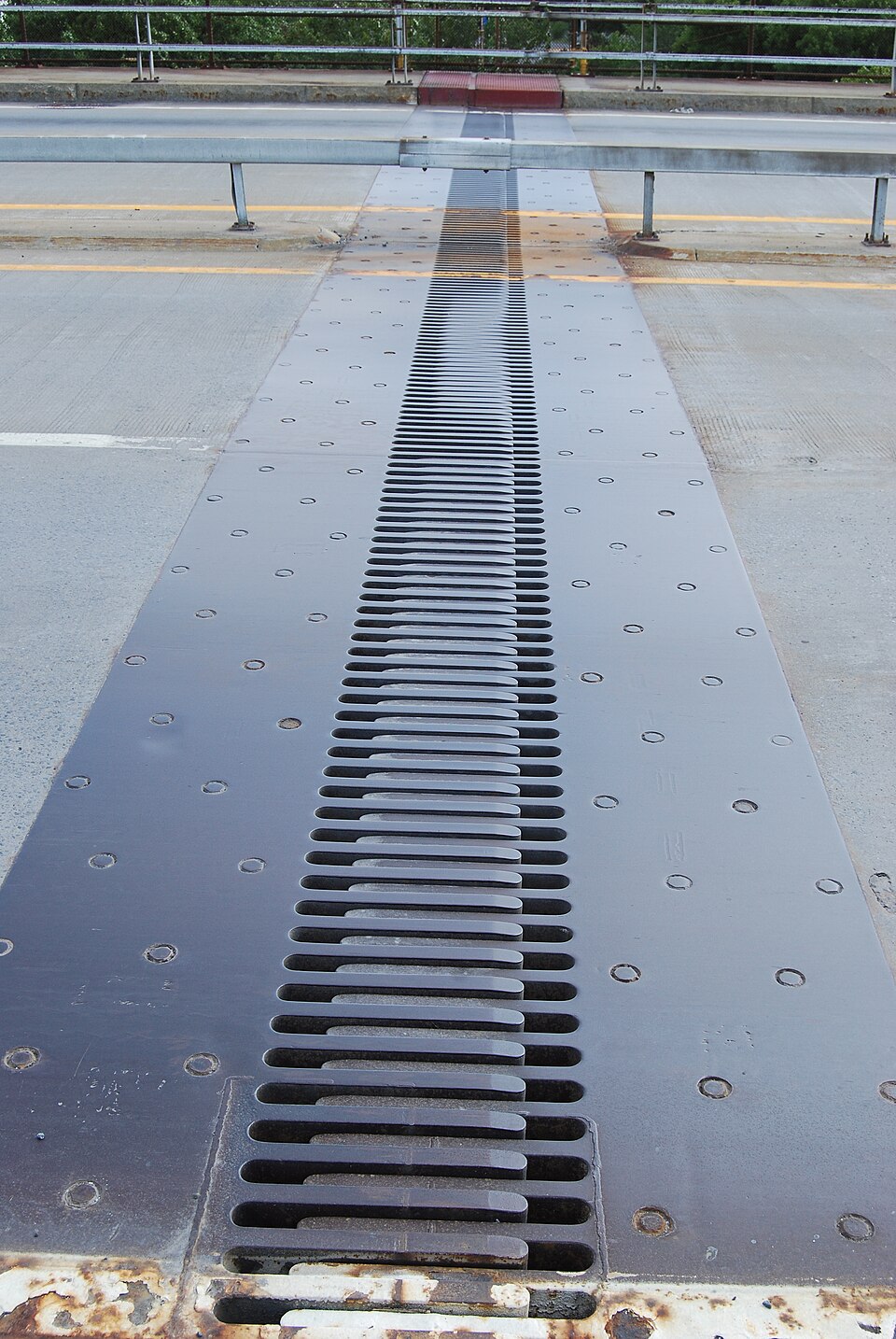
Railway Track Expansion Joints
Invisible gaps in rails prevent catastrophic train derailments caused by heat
3 days ago
0
Why are expansion joints critical in railway tracks?
They absorb thermal expansion and contraction to prevent track damage.
They primarily serve to connect different types of rails together.
They are unnecessary because rails do not expand or contract with temperature.
S
Steve118
Author has not completed a profile
➕ Follow Author
📄 View Journals
>>
Followers:
0
Lifetime Tokens:
0
ENGINEERING
Railway Engineering
Dual-Gauge Railway
How three rails can unite two incompatible railway worlds on a single track
5 days ago
0
What is the primary engineering challenge that dual-gauge railways address?
Allowing trains of two different gauges to run on the same track without changing wheels
Increasing the speed of trains by adding extra rails
Reducing the number of trains needed by combining routes
B
Bonbo
Me as you
➕ Follow Author
📄 View Journals
>>
Followers:
6
Lifetime Tokens:
0
ENGINEERING
Railway Engineering
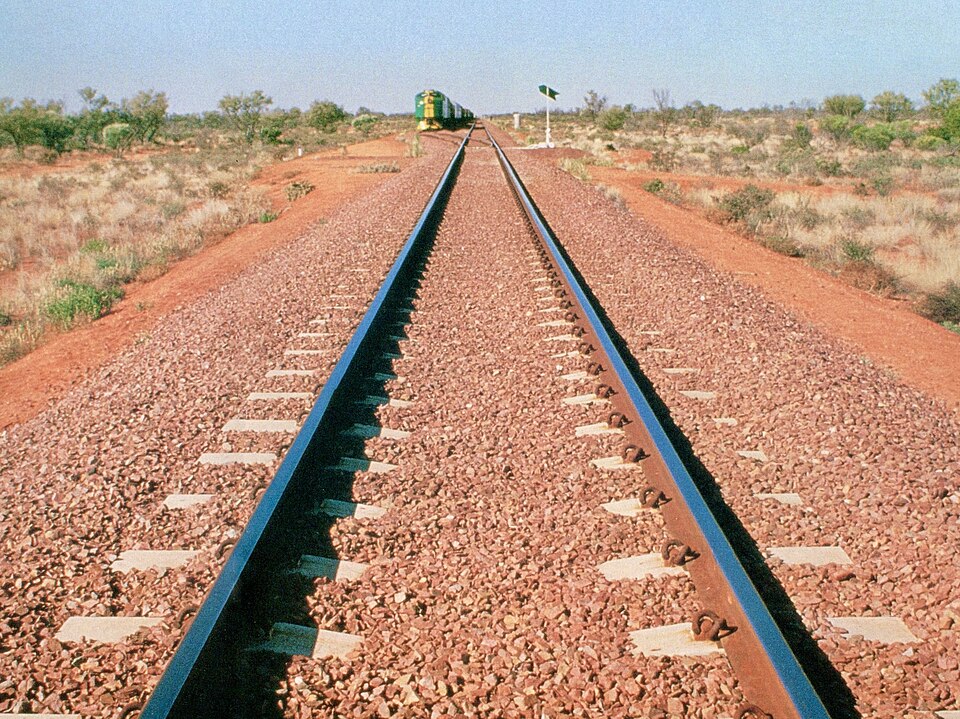
Railway Track
Steel rails transformed railways by enabling heavier, faster trains on a stable track system
6 days ago
0
What is the primary reason steel rails replaced wooden or cast-iron rails in railway tracks?
Steel rails are cheaper to produce than wooden or cast-iron rails.
Steel rails provide greater strength and durability, allowing heavier loads and higher speeds.
Steel rails were adopted mainly because they are easier to install than wooden rails.
N
Nellieger
I am studying psychology
➕ Follow Author
📄 View Journals
>>
Followers:
5
Lifetime Tokens:
0
ENGINEERING
Railway Engineering
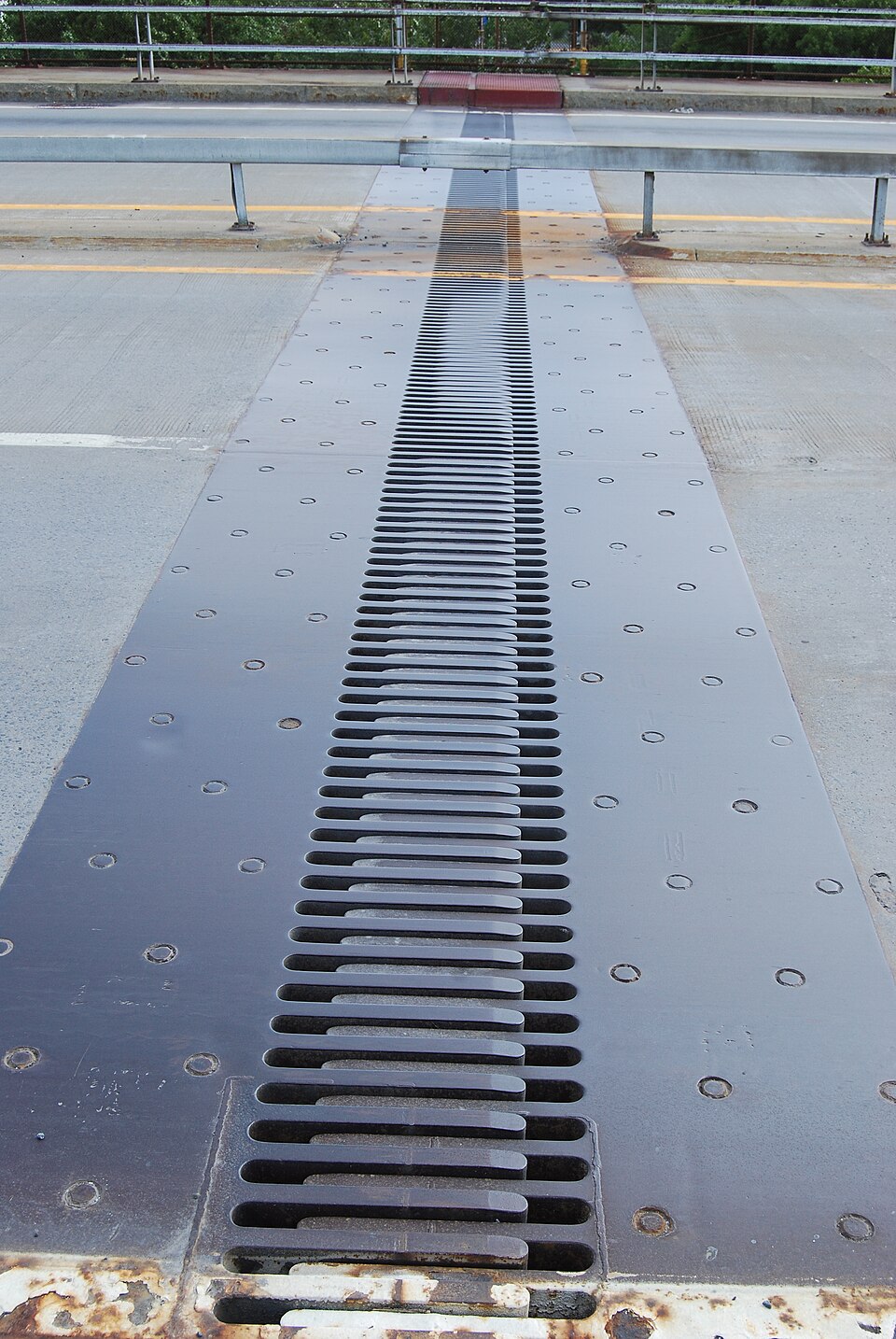
Railway Expansion Joint
Thermal shifts once threatened rail safety until expansion joints revolutionized track resilience
7 days ago
0
Why are expansion joints essential in railway tracks?
They primarily serve to connect different types of rails without movement.
They absorb thermal expansion and contraction to prevent track deformation.
They are used mainly to reduce noise from passing trains.
N
Nellieger
I am studying psychology
➕ Follow Author
📄 View Journals
>>
Followers:
5
Lifetime Tokens:
0
ENGINEERING
Railway Engineering
Railway Track
Steel rails transformed fragile wooden tracks into the backbone of modern railways
11 days ago
0
What was the key consequence of replacing wooden and cast-iron rails with steel rails in railway tracks?
It made railway tracks more flexible but less durable.
It allowed trains to travel faster and carry heavier loads more reliably.
It reduced the need for sleepers and ballast in track construction.
B
Brewster
Brewster
➕ Follow Author
📄 View Journals
>>
Followers:
7
Lifetime Tokens:
7
INDUSTRY
Railway Engineering
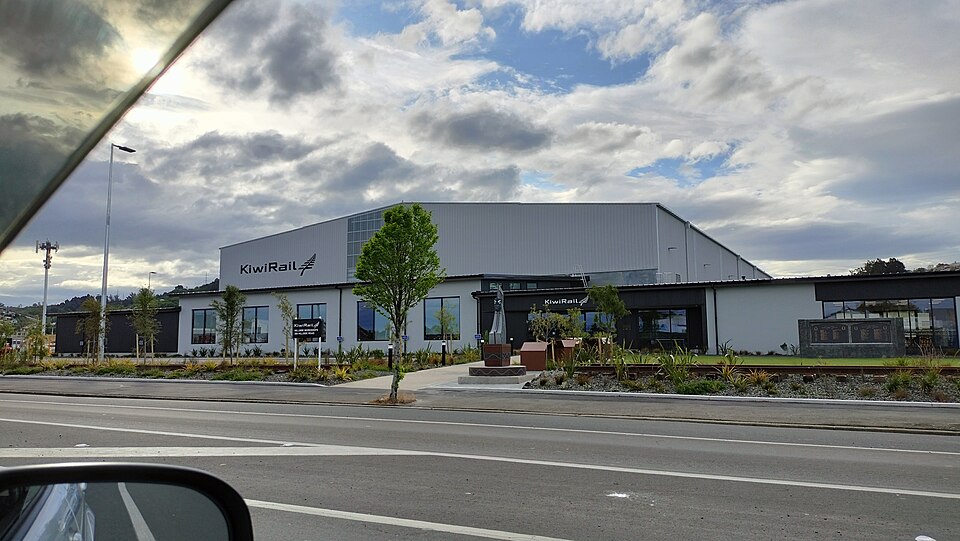
Hillside Engineering Group
New Zealand's Hillside Engineering revitalized to boost national rail maintenance capabilities
3 Feb 2026
0
What was the primary reason for the New Zealand Government's investment in Hillside Engineering in 2019?
To convert it into a marine-only maintenance facility
To sell it to an international railway company
To revitalize it as a major mechanical hub and engineering facility for KiwiRail's locomotives and rolling stock
J
Johnbarrow
John from Bartow
➕ Follow Author
📄 View Journals
>>
Followers:
5
Lifetime Tokens:
0
ENGINEERING
Railway Engineering
Railway Electrification Systems
Diverse railway electrification systems power trains worldwide with varying voltages and currents
31 Jan 2026
0
What is a primary advantage of using alternating current (AC) electrification systems over direct current (DC) systems in railways?
AC systems are cheaper to install than DC systems in all cases.
AC systems allow efficient power transmission over longer distances, making them suitable for high-speed and long-distance railways.
AC systems require trains to carry onboard fuel for backup power.
S
Stevek113
Author has not completed a profile
➕ Follow Author
📄 View Journals
>>
Followers:
7
Lifetime Tokens:
0
TECHNOLOGY
Railway Engineering
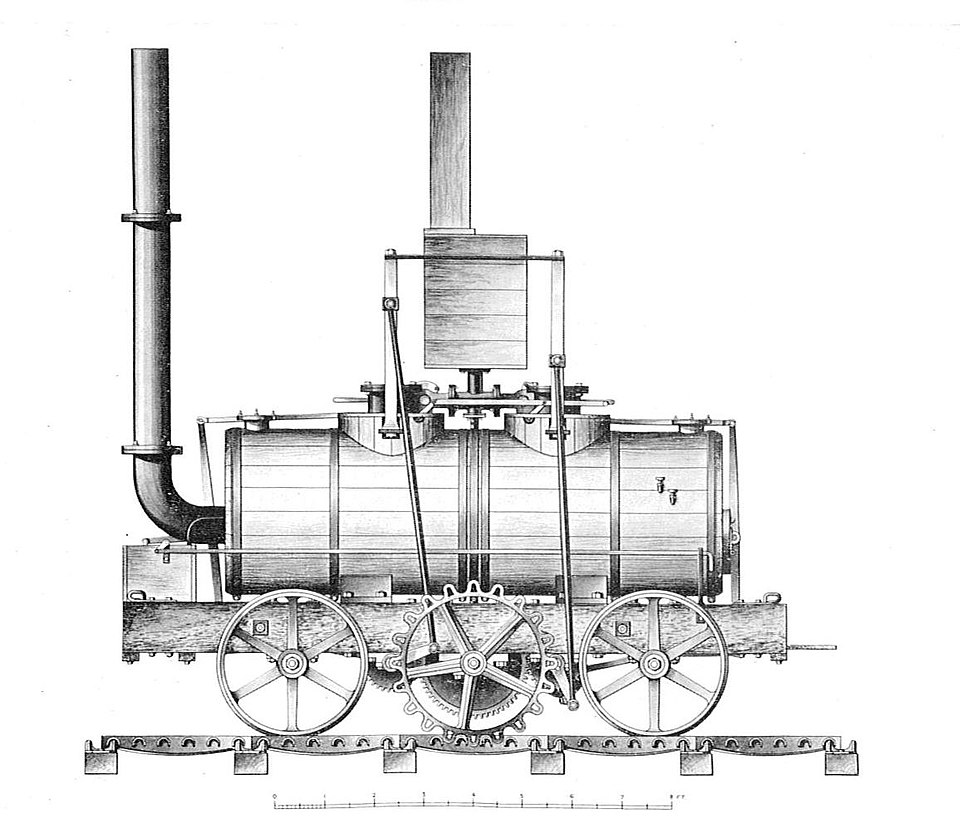
Blenkinsop rack locomotive
0
John Blenkinsop's rack locomotive pioneered practical steam traction with cogwheel technology
18 Jan 2026
John Blenkinsop's rack locomotive pioneered practical steam traction with cogwheel technology The Blenkinsop rack locomotive was an early steam locomotive designed by John Blenkinsop, an English mining engineer. It was the first practical railway locomotive,...
×
Comments
Loading....
Share comment
5
Streak Win!
Game Over