Railway Track
%
My Stats
Current Streak
/ 5
Tokens
Lifetime Tokens
Accuracy
%
User ID

Home
Quest
Answered
Saved

Hot Topics
Following
Followers

Post
Create
Promote

1
Comments
Money
Account

Please select a topic from the list.
Out of Tokens! Answer 5 in a row to earn more tokens
Industrial Production
Waste Management
Medical Imaging
Ecology
Performing Arts Venues
Traffic Control
Computer Architecture
Deserts
Historical Regions
Animal Husbandry
Genetics
Demography
Democratic Processes
Optimization
Naval Warfare
Enlightenment Philosophy
Aircraft Operations
Ecology
Data Compression
Vehicle Armour
Telecommunications
Marine Geology
Music Theory
Astrophysics
Computer Hardware
Zoology
Buddhist History
Municipal Police
Molecular Biology
Elemental Chemistry
B
Bonbo
Me as you
➕ Follow Author
📄 View Journals
>>
Followers:
6
Lifetime Tokens:
0
ENGINEERING
Railway Engineering
Railway Track
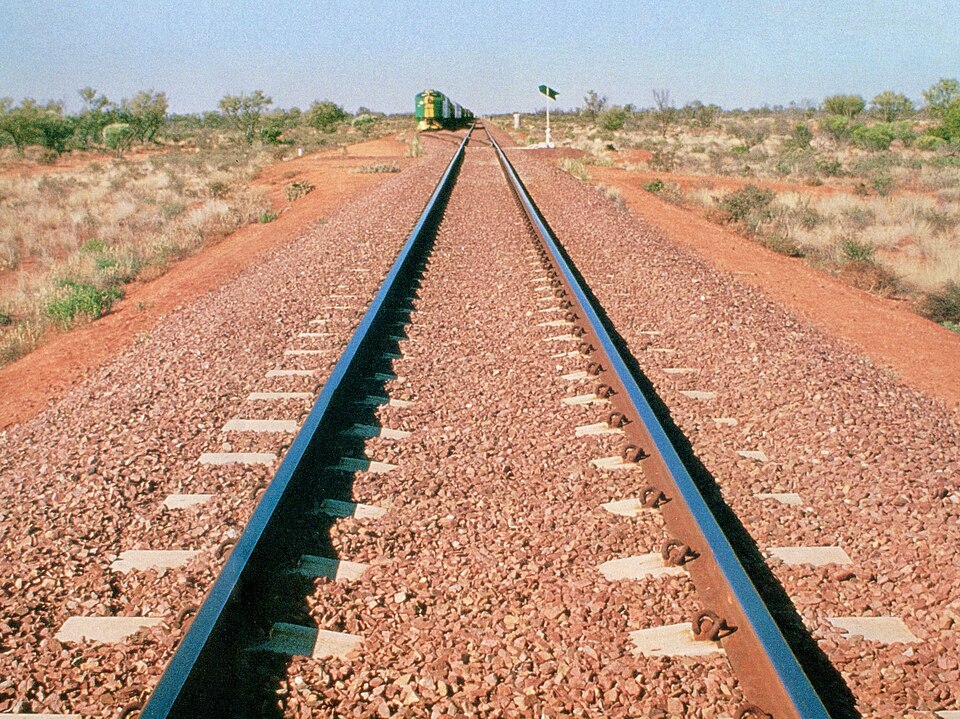
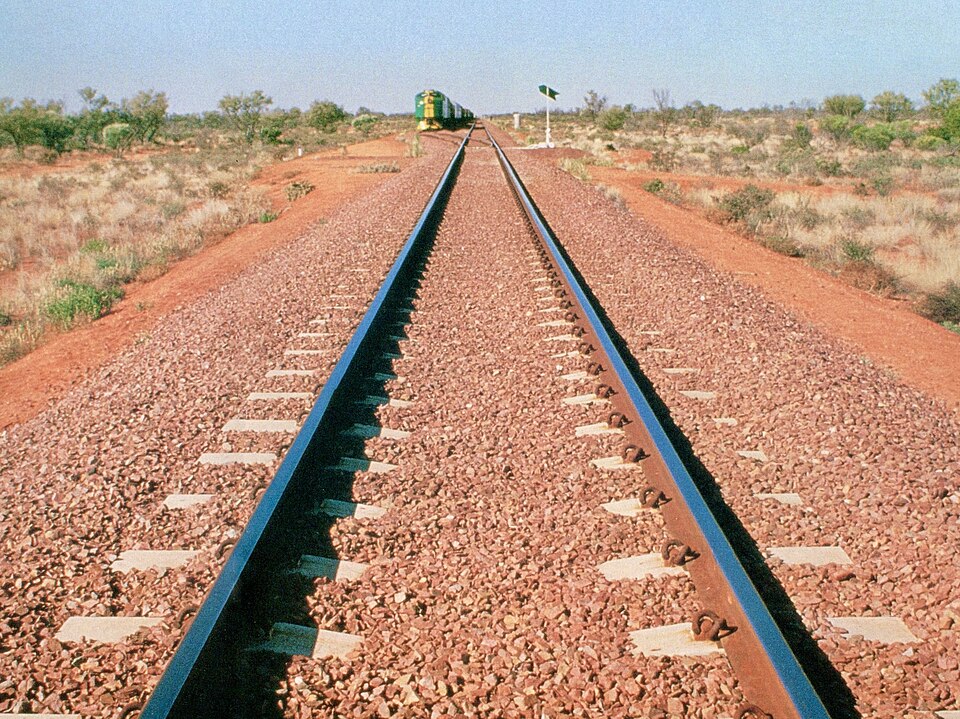
Steel rails transformed railways by enabling heavier, faster trains on a stable track system
6 days ago
0
What is the primary reason steel rails replaced wooden or cast-iron rails in railway tracks?
Steel rails are cheaper to produce than wooden or cast-iron rails.
Steel rails were adopted mainly because they are easier to install than wooden rails.
Steel rails provide greater strength and durability, allowing heavier loads and higher speeds.
N
Nellieger
I am studying psychology
➕ Follow Author
📄 View Journals
>>
Followers:
5
Lifetime Tokens:
0
ENGINEERING
Railway Engineering
Railway Track
Steel rails transformed fragile wooden tracks into the backbone of modern railways
11 days ago
0
What was the key consequence of replacing wooden and cast-iron rails with steel rails in railway tracks?
It made railway tracks more flexible but less durable.
It allowed trains to travel faster and carry heavier loads more reliably.
It reduced the need for sleepers and ballast in track construction.
×
Comments
Loading....
Share comment
5
Streak Win!
Game Over