Traditional Clothing
%
My Stats
Current Streak
/ 5
Tokens
Lifetime Tokens
Accuracy
%
User ID

Home
Quest
Answered
Saved

Hot Topics
Following
Followers

Post
Create
Promote

1
Comments
Money
Account

Please select a topic from the list.
Out of Tokens! Answer 5 in a row to earn more tokens
Bone Diseases
Ecology
Public Finance
Rituals and Traditions
Market Regulation
Neuroscience
Music Production
Manufacturing Processes
Medieval History
Computer Hardware
Marriage Practices
Ecology
Graphic Design
Volcanology
Apollo Program
Cardiology
Instrument Design
Conservation Biology
Marine Geology
Business Studies
Microscopy
Allergies and Immunology
Animal Nutrition
Oceanography
Mental Health Disorders
Airline Loyalty Programs
Botany
Building Construction
Transportation Infrastructure
Neurobiology
B
Brewster
Brewster
➕ Follow Author
📄 View Journals
>>
Followers:
7
Lifetime Tokens:
7
CULTURE
Traditional Clothing
Inuit Clothing and Fabric Scrap Usage
Arctic survival hinged on turning every scrap of hide into life-saving clothing
9 days ago
0
Why was the use of fabric scraps crucial in traditional Inuit clothing production?
Because resources were scarce, and every piece of hide was needed to make durable, warm garments.
Because fabric scraps were used mainly for decorative purposes without practical function.
Because Inuit clothing was mass-produced and scraps were discarded regularly.
A
Anatolia_guy
Author has not completed a profile
➕ Follow Author
📄 View Journals
>>
Followers:
0
Lifetime Tokens:
0
CULTURE
Traditional Clothing
Rawasheen
A desert cloak that weaves survival and social identity into every thread
11 days ago
0
How did the Rawasheen cloak serve both practical and social functions in Bedouin culture?
It was primarily decorative and rarely used for protection.
It protected against harsh desert conditions and indicated tribal affiliation through its design.
It was a modern invention with no historical significance.
S
Stevek113
Author has not completed a profile
➕ Follow Author
📄 View Journals
>>
Followers:
7
Lifetime Tokens:
0
CULTURE
Traditional Clothing
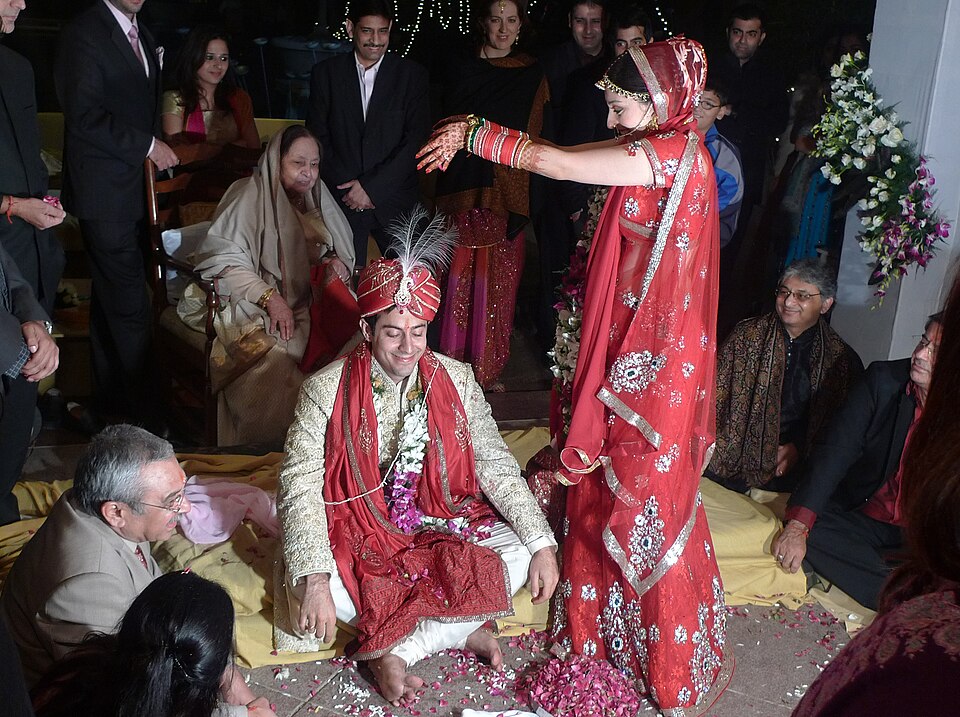
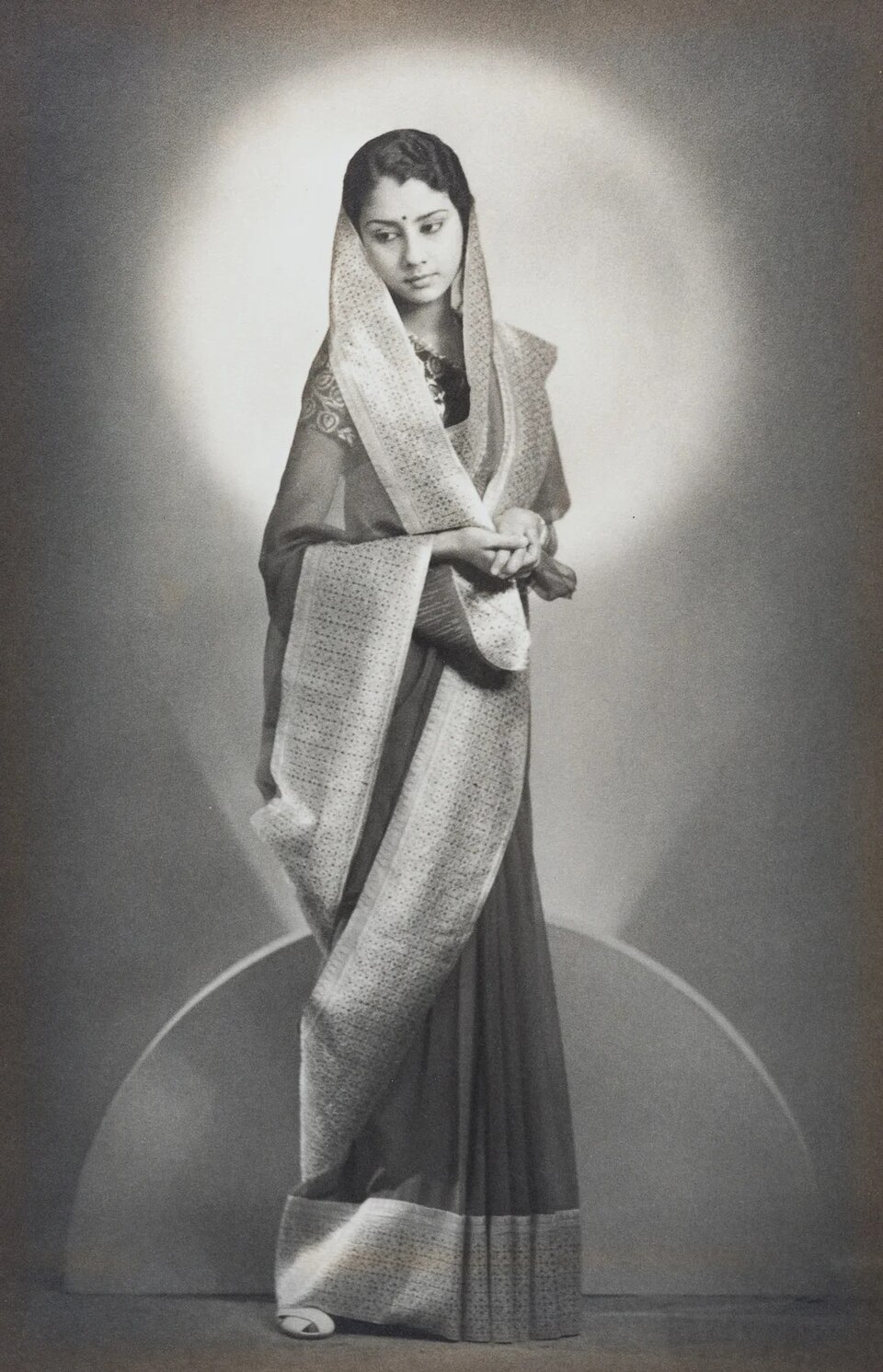
Nivi Drape
The Nivi drape transformed sari wearing into a symbol of both elegance and practicality across South Asia
13 days ago
0
Why did the Nivi drape become the most popular sari style across the Indian subcontinent?
Because it uses the shortest length of fabric compared to other sari styles.
Because it requires no additional garments like a choli or petticoat.
Because it balances elegance with practicality, allowing freedom of movement and easy styling.
S
Stevek113
Author has not completed a profile
➕ Follow Author
📄 View Journals
>>
Followers:
7
Lifetime Tokens:
0
CULTURE
Traditional Clothing
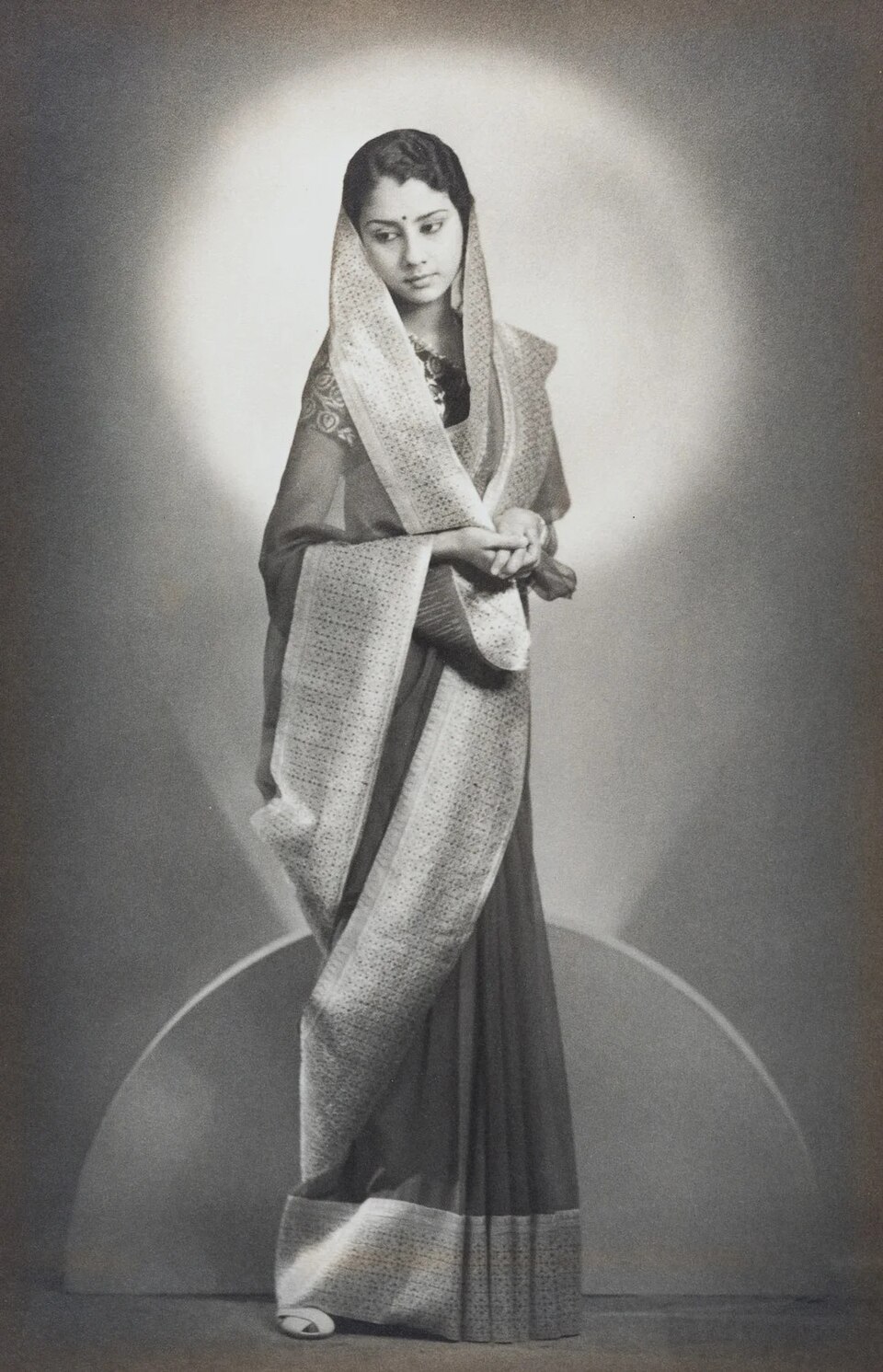
Sari
A single unstitched cloth embodies centuries of cultural identity and artistry across South Asia
8 Feb 2026
0
What makes the sari more than just a simple garment in South Asian culture?
Its versatility, cultural symbolism, and regional weaving and draping traditions
Its use only as casual daily wear without any cultural significance
It is a stitched garment similar to Western dresses
S
Stevek113
Author has not completed a profile
➕ Follow Author
📄 View Journals
>>
Followers:
7
Lifetime Tokens:
0
CULTURE
Traditional Clothing
Folk Costume
Traditional clothing vividly expresses cultural identity across diverse ethnic groups worldwide
4 Feb 2026
0
What is a primary purpose of traditional clothing within an ethnic group or nation?
To conform to Western fashion trends
To express cultural, religious, or national identity
To indicate economic status exclusively
F
FordMotor
Ford makes good cars for great people. This is the page for our new F1 team.
➕ Follow Author
📄 View Journals
>>
Followers:
7
Lifetime Tokens:
0
CULTURE
Traditional Clothing
Silk Clothing
Silk's ancient origins and cultural significance shaped traditional Chinese clothing styles
3 Feb 2026
0
What role did silk play in the social status of individuals wearing traditional Chinese clothing?
Silk was commonly worn by all social classes due to its affordability.
Silk garments were primarily worn by royalty and elites, symbolizing wealth and status.
Silk was only used for making household items and not clothing.
N
Nellieger
I am studying psychology
➕ Follow Author
📄 View Journals
>>
Followers:
5
Lifetime Tokens:
0
CULTURE
Traditional Clothing
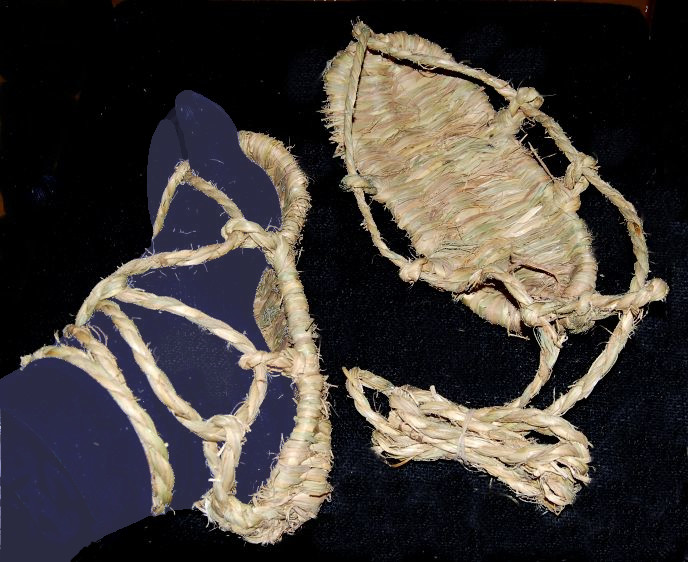
Waraji
Waraji sandals were once the everyday footwear for common people across Japan
30 Jan 2026
0
What materials were traditionally used to make waraji sandals, and why were these materials chosen?
Leather and rubber, chosen for durability and waterproofing.
Ropemaking fibers like rice straw or hemp, chosen for their availability and ease of weaving.
Silk and cotton, chosen for comfort and style.
N
Nellieger
I am studying psychology
➕ Follow Author
📄 View Journals
>>
Followers:
5
Lifetime Tokens:
0
CULTURE
Traditional Clothing
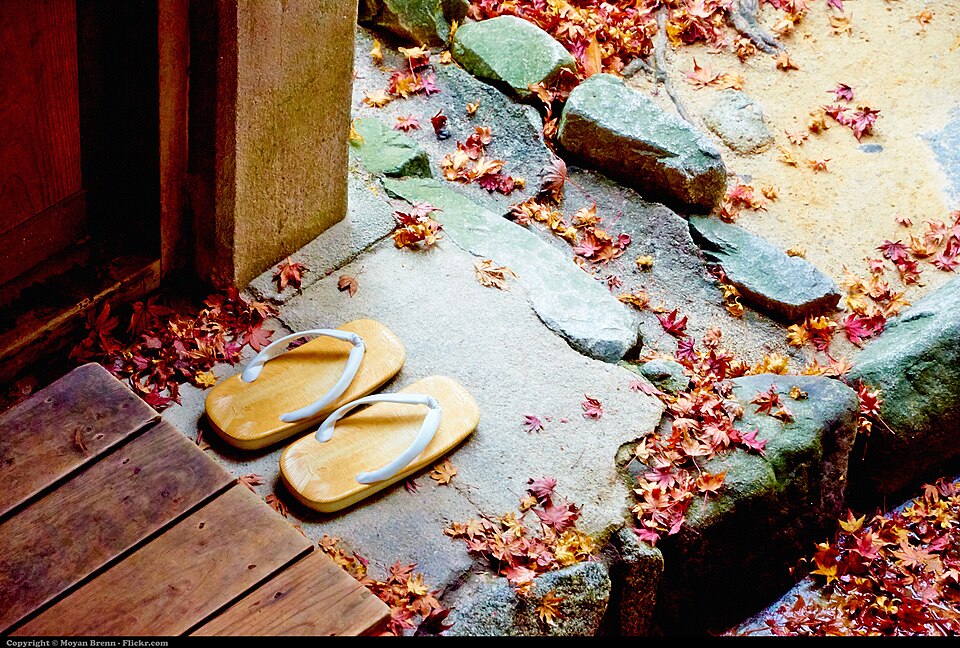
Zori
0
Zori sandals blend traditional craftsmanship with modern materials in Japanese footwear culture
26 Jan 2026
Zori sandals blend traditional craftsmanship with modern materials in Japanese footwear culture Zori are traditional Japanese sandals characterized by their thong design, which separates the big toe from the other toes. They are typically made...
×
Comments
Loading....
Share comment
5
Streak Win!
Game Over